
Arm injuries can happen unexpectedly during sports activities, workplace accidents, falls, or even simple daily tasks. Whether it is a minor sprain or a serious fracture, getting immediate medical attention is important to prevent complications and ensure proper healing. Seeking urgent care for arm injury provides fast diagnosis, pain relief, and professional treatment without the long waiting times often experienced in emergency rooms.
Urgent care clinics are designed to treat non-life-threatening injuries quickly and efficiently. From wrist pain and elbow injuries to shoulder strains and broken arms, experienced healthcare providers can evaluate the severity of the condition and recommend the best treatment plan.
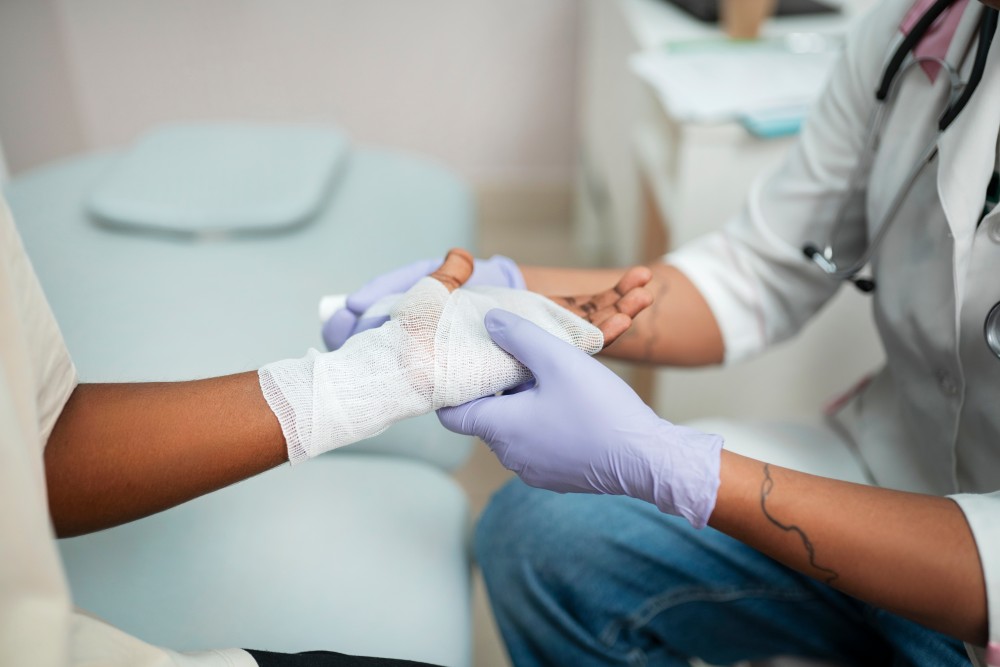
Common Causes of Arm Injuries
Arm injuries occur for many different reasons and can affect muscles, ligaments, tendons, bones, or joints. Some of the most common causes include:
- Sports-related accidents
- Falls and slips
- Heavy lifting injuries
- Car accidents
- Workplace injuries
- Repetitive motion strain
- Direct impact trauma
Children and adults alike can suffer arm injuries, especially during physical activities. Even a seemingly small injury can become worse if left untreated.
Symptoms That Require Urgent Care for Arm Injury
Not every arm injury needs emergency room treatment, but many symptoms should be evaluated at an urgent care clinic as soon as possible.
You should seek urgent care for arm injury if you experience:
- Severe arm pain
- Swelling or bruising
- Limited movement
- Numbness or tingling
- Visible deformity
- Weakness in the arm
- Difficulty lifting objects
- Pain that worsens over time
- Redness or warmth around the injury
Prompt medical care helps identify hidden fractures, ligament tears, or nerve damage before they become more serious.
Types of Arm Injuries Treated at Urgent Care
Urgent care clinics can diagnose and treat many different types of arm injuries. Some common conditions include:
1. Sprains and Strains
Sprains affect ligaments, while strains involve muscles or tendons. These injuries often happen due to overuse or sudden twisting movements. Symptoms may include pain, swelling, and stiffness.
2. Fractures and Broken Bones
Broken arms are common after falls or accidents. Urgent care providers may perform X-rays to confirm fractures and provide splints or casts for stabilization.
3. Dislocations
An arm or shoulder dislocation occurs when a bone moves out of its normal position. Immediate medical treatment is necessary to restore joint alignment and reduce pain.
4. Tendonitis
Repetitive arm movements can inflame tendons and lead to tendonitis. This condition is common among athletes and workers performing repetitive tasks.
5. Cuts and Lacerations
Minor to moderate cuts on the arm may require stitches, cleaning, and bandaging to prevent infection and support healing.
Importance of Early Diagnosis
Getting early treatment for an arm injury is extremely important. Delaying medical attention may lead to chronic pain, reduced mobility, or improper healing. Urgent care centers use diagnostic tools such as physical examinations and imaging tests to determine the exact cause of pain and discomfort.
Healthcare providers can also rule out serious conditions that may mimic simple arm injuries, including nerve compression or joint damage.
What to Expect During Your Visit
When visiting urgent care for arm injury, the medical team will first review your symptoms and injury history. Providers may ask questions about how the injury happened, your pain level, and whether you can move the arm normally.
The evaluation process may include:
- Physical examination
- X-rays or imaging
- Pain assessment
- Range-of-motion testing
- Swelling and circulation checks
After diagnosis, treatment options will depend on the severity of the injury.
Treatment Options for Arm Injuries
Urgent care clinics provide comprehensive treatment for many arm injuries. Common treatment methods include:
1. Immobilization
Splints, slings, or braces help stabilize the injured arm and reduce movement during healing.
2. Pain Management
Doctors may recommend over-the-counter medications or prescribe stronger pain relief when necessary.
3. Ice and Compression
Cold therapy and compression help reduce swelling and inflammation after an injury.
4. Wound Care
For cuts and abrasions, providers clean the wound carefully and apply stitches or bandages if needed.
5. Physical Therapy Recommendations
Some injuries require rehabilitation exercises to restore strength and flexibility after healing.
When to Visit the Emergency Room Instead
Although urgent care for arm injury is suitable for many conditions, some injuries require emergency medical attention. Go to the emergency room immediately if you notice:
- Heavy bleeding
- Bone protruding through the skin
- Loss of consciousness
- Severe deformity
- No pulse in the arm
- Extreme swelling with numbness
- Chest pain associated with arm pain
These symptoms may indicate a serious medical emergency requiring advanced treatment.
Tips for Preventing Arm Injuries
While accidents cannot always be avoided, there are several ways to reduce the risk of arm injuries:
- Wear protective sports equipment
- Practice proper lifting techniques
- Stretch before physical activity
- Use ergonomic workstations
- Avoid repetitive strain when possible
- Maintain strong muscles and joints
Simple preventive measures can significantly lower the chance of injury and improve overall arm health.
Benefits of Choosing Urgent Care for Arm Injury
Urgent care clinics offer several advantages for patients needing quick treatment:
- Shorter wait times
- Affordable healthcare services
- Walk-in appointments available
- On-site diagnostic testing
- Extended evening and weekend hours
- Fast access to experienced providers
These benefits make urgent care an excellent option for non-life-threatening arm injuries.
Recovery and Follow-Up Care
Recovery time depends on the type and severity of the injury. Mild sprains may heal within a few weeks, while fractures can require several months of treatment and rehabilitation.
Following your provider’s instructions is essential for proper recovery. Patients should:
- Rest the injured arm
- Attend follow-up appointments
- Complete physical therapy if recommended
- Avoid strenuous activities during healing
- Monitor for worsening symptoms
Proper aftercare helps prevent reinjury and supports long-term mobility.
Conclusion
Seeking urgent care for arm injury is one of the best ways to receive fast, professional, and effective medical treatment. Whether you are dealing with a sprain, fracture, tendon injury, or severe arm pain, prompt care can help reduce complications and speed up recovery. Urgent care clinics provide convenient access to experienced healthcare professionals, diagnostic services, and personalized treatment plans to help patients return to normal activities as quickly as possible.
Ignoring arm pain or delaying treatment may lead to long-term complications, so it is always better to get evaluated by a medical professional when symptoms appear.
Frequently Asked Questions (FAQs)
1. When should I seek urgent care for arm injury?
You should visit urgent care if you experience pain, swelling, bruising, numbness, limited movement, or suspect a fracture after an accident or fall.
2. Can urgent care treat broken arms?
Yes, urgent care clinics can diagnose and treat many broken arms using X-rays, splints, slings, and referrals when necessary.
3. How long does an arm injury take to heal?
Healing time depends on the severity of the injury. Minor strains may heal in days or weeks, while fractures can take several months.
4. Does urgent care provide X-rays for arm injuries?
Many urgent care clinics offer on-site X-rays to quickly diagnose fractures and other injuries.
5. Is urgent care cheaper than the emergency room?
Yes, urgent care visits are generally more affordable than emergency room visits for non-life-threatening conditions.
Visit us https://sccodessa.com/services/primary-care/ today for fast and compassionate urgent care for arm injury and get the professional treatment you deserve.
Contact us at (469) 884-1975 now to schedule your visit and receive expert medical care for arm pain, fractures, sprains, and more.