
Introduction
Sports and physical activities are excellent ways to maintain an active lifestyle, build strength, and improve overall health. However, sudden movements, repetitive stress, improper techniques, and accidents can lead to sports injuries. Whether you are a student athlete, a weekend runner, a fitness enthusiast, or an experienced competitor, an injury can interfere with your training and everyday activities.
Finding appropriate sports injury treatment in Odessa, TX, can help you understand your injury, manage symptoms, and develop a safe recovery plan. From muscle strains and ankle sprains to knee injuries and joint pain, early evaluation can help identify the problem and determine the most appropriate treatment.
Understanding common sports injuries, available treatment options, and preventive measures can help you make informed decisions about your health and return to your favorite activities safely.
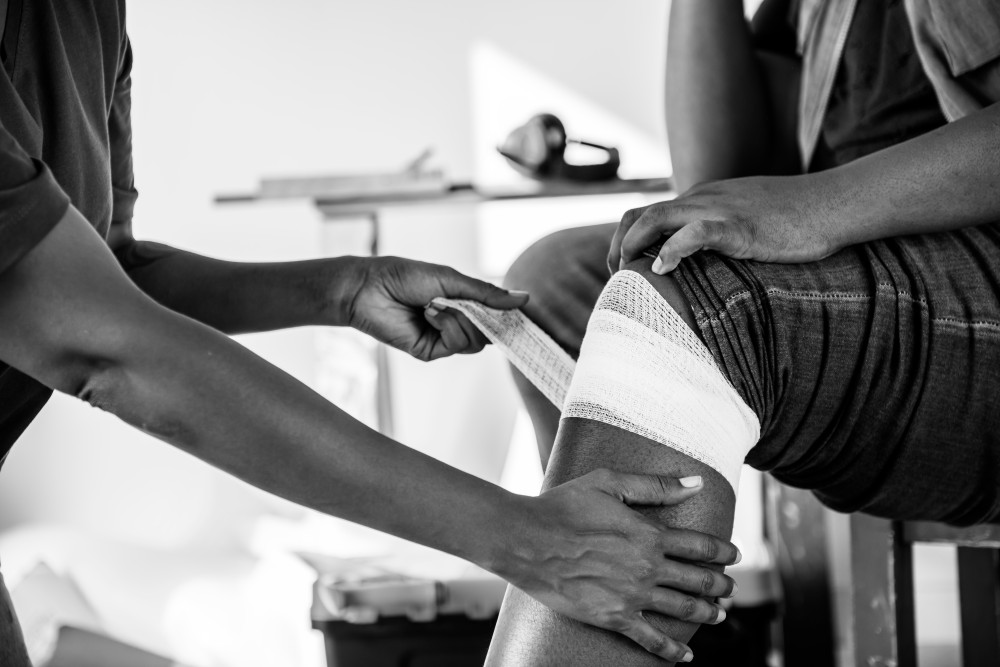
What Are Common Sports Injuries?
Sports injuries can affect muscles, tendons, ligaments, bones, and joints. Some injuries happen suddenly, while others develop gradually because of repeated movements or excessive training.
- Muscle strains occur when muscle fibers are overstretched or torn. They commonly affect the hamstrings, calves, shoulders, and lower back. Symptoms may include pain, tenderness, swelling, and difficulty moving the affected muscle.
- Sprains involve stretching or tearing a ligament, which connects bones at a joint. Ankle and knee sprains are common among athletes participating in running, basketball, football, and other activities that involve quick changes in direction.
- Knee injuries may involve the ligaments, tendons, cartilage, or other structures surrounding the joint. Pain, swelling, instability, or difficulty bearing weight can indicate a problem that requires medical assessment.
- Tendon injuries can develop from repetitive movements and excessive physical stress. Conditions such as Achilles tendinopathy and tennis elbow can cause persistent discomfort that worsens during activity.
- Fractures and dislocations are more serious injuries that may result from falls, collisions, or direct impacts. These injuries require prompt medical evaluation.
Why Seek Sports Injury Treatment in Odessa, TX?
Ignoring sports-related pain can make it harder to determine the underlying problem and may delay recovery. Professional evaluation helps identify the nature and severity of an injury and determine whether additional testing or specialized care is necessary.
When seeking sports injury treatment in Odessa, TX, consider a healthcare provider who can assess your symptoms, review your activity history, evaluate your movement, and recommend an appropriate treatment plan.
Early care can also help distinguish minor injuries from conditions that require more extensive treatment. This is particularly important for athletes who experience recurring pain, persistent swelling, restricted movement, or difficulty returning to their normal activity level.
Sports Injury Treatment Options
The right treatment depends on the type of injury, its severity, your overall health, and your activity goals.
1. Initial Injury Management
For many minor sprains and strains, temporarily stopping the activity that caused the pain is an important first step. Protecting the injured area, applying a wrapped cold pack for short periods, and elevating the affected limb when appropriate may help manage swelling and discomfort.
Avoid forcing painful movements or immediately returning to strenuous activity. Significant injuries may require immobilization or urgent medical assessment rather than home treatment alone.
2. Medication for Pain and Inflammation
Depending on the injury and your medical history, a healthcare professional may recommend appropriate pain-relief medication. Some nonprescription medicines can help manage discomfort, but they are not suitable for everyone and may have side effects.
Always follow product instructions and seek professional advice if you have underlying medical conditions, take other medications, or are uncertain which treatment is appropriate.
3. Physical Therapy and Rehabilitation
Rehabilitation may be recommended to restore strength, flexibility, balance, coordination, and joint mobility after a sports injury.
A physical therapist can develop an individualized exercise program based on your injury and recovery progress. Depending on the condition, rehabilitation may include gentle range-of-motion exercises, strengthening activities, balance training, and sport-specific movements.
Following the recommended rehabilitation plan can help improve function and prepare you for a gradual return to physical activity.
4. Diagnostic Imaging and Further Evaluation
Some sports injuries require additional testing to determine their severity. Depending on the symptoms and examination findings, a healthcare professional may recommend X-rays to evaluate possible fractures or other imaging studies to assess soft tissues and joint structures.
Imaging is not necessary for every injury. The decision depends on your symptoms, physical examination, and clinical needs.
5. Treatment for Persistent or Severe Injuries
Injuries that do not improve with initial treatment may require specialist evaluation. Depending on the diagnosis, treatment could involve prescription medication, structured rehabilitation, bracing, injections in selected cases, or surgical consultation.
The goal is to address the underlying injury, improve function, and help you return to appropriate activities as safely as possible.
Tips for Recovering From a Sports Injury
Recovery requires patience and a plan that matches the severity of the injury. Returning to sports too quickly can increase the risk of reinjury.
Follow your healthcare professional’s recommendations and complete prescribed rehabilitation exercises. Increase activity gradually rather than immediately returning to your previous training intensity.
Maintain adequate sleep, eat a balanced diet, and stay hydrated to support general recovery. Pay attention to pain, swelling, stiffness, and changes in movement. If symptoms worsen or return as activity increases, stop the activity and seek medical guidance.
Do not use pain relief alone as evidence that an injury has healed. Your ability to move, bear weight, and perform sport-specific tasks safely should also be considered.
How to Prevent Sports Injuries
Although not every injury can be prevented, practical measures can help reduce risk.
Warm up before exercise and cool down afterward. Use proper techniques, wear appropriate protective equipment, and choose footwear suitable for your sport. Increase training intensity gradually and allow adequate recovery between demanding sessions.
Strengthening the muscles that support your joints and practicing balance exercises may also help improve stability. Avoid training through significant pain, and seek evaluation for recurring discomfort before it becomes a more serious problem.
When Should You Seek Medical Care?
Some sports injuries need immediate attention. Seek emergency medical care for an obvious deformity, suspected fracture, severe or rapidly increasing swelling, loss of sensation, a cold or pale limb, or an inability to bear weight after a significant injury.
A head injury accompanied by loss of consciousness, confusion, repeated vomiting, worsening headache, or other concerning symptoms also requires urgent emergency evaluation.
For less severe injuries, arrange a medical assessment if pain persists, swelling does not improve, movement remains limited, or symptoms repeatedly return during exercise.
Get Help With Sports Injury Treatment in Odessa, TX
Sports injuries can affect your performance, comfort, and ability to participate in the activities you enjoy. Understanding your symptoms and seeking appropriate care can help you make informed decisions about treatment and rehabilitation.
If you are experiencing muscle pain, joint discomfort, a sprain, a strain, or another sports-related injury, consider consulting a qualified healthcare professional in Odessa, TX. An individualized evaluation can help determine the next steps based on your condition and recovery goals.
Don’t let a sports injury keep you away from the activities you love. Contact our team to discuss your symptoms and learn about available sports injury evaluation and treatment options in Odessa, TX.
Visit us to learn more about your care options and take the next step toward recovery. Contact our healthcare team to ask questions, discuss your concerns, and schedule an appointment if appropriate.
Frequently Asked Questions (FAQs)
1. Where can I find sports injury treatment in Odessa, TX?
You can look for a qualified healthcare provider or sports medicine clinic in Odessa, TX, that evaluates athletic injuries. Choose a provider whose services match your symptoms and treatment needs.
2. What are the most common sports injuries?
Common sports injuries include ankle sprains, muscle strains, knee injuries, tendon problems, shoulder injuries, and fractures. Their severity varies depending on the cause and the structures affected.
3. How long does a sports injury take to heal?
Recovery time depends on the injury. Minor strains may improve within days or weeks, while severe ligament injuries, fractures, and some tendon injuries may require several months of treatment and rehabilitation.
4. Should I see a doctor for a sports injury?
Seek medical evaluation for persistent pain, significant swelling, limited movement, recurring symptoms, or difficulty bearing weight. Severe injuries and suspected fractures require prompt medical attention.
5. Can physical therapy help with sports injuries?
Yes. When appropriate for the injury, physical therapy can help restore mobility, strength, balance, and function. A rehabilitation program should be tailored to the individual’s condition and recovery progress.
Looking for reliable sports injury treatment in Odessa, TX? Visit us https://sccodessa.com/ to learn about your evaluation and treatment options and take a proactive step toward recovery.
Experiencing muscle pain, joint discomfort, or a sports-related injury? Contact us at +1 (432) 322-8675 today to discuss your symptoms and find out what care may be appropriate.