
Introduction
Spinal stenosis is a condition that occurs when the spaces within the spine become narrower, potentially putting pressure on the spinal cord or nearby nerves. This pressure can cause back pain, neck pain, numbness, tingling, muscle weakness, or difficulty walking. For people experiencing these symptoms, exploring spinal stenosis treatment options in Odessa, TX, can be an important step toward improving comfort, maintaining mobility, and supporting everyday activities.
The appropriate treatment depends on several factors, including the location and severity of the narrowing, the symptoms a person experiences, overall health, and how much the condition affects daily life. Many people can begin with nonsurgical treatments, while others may need a specialist’s evaluation for more advanced care.
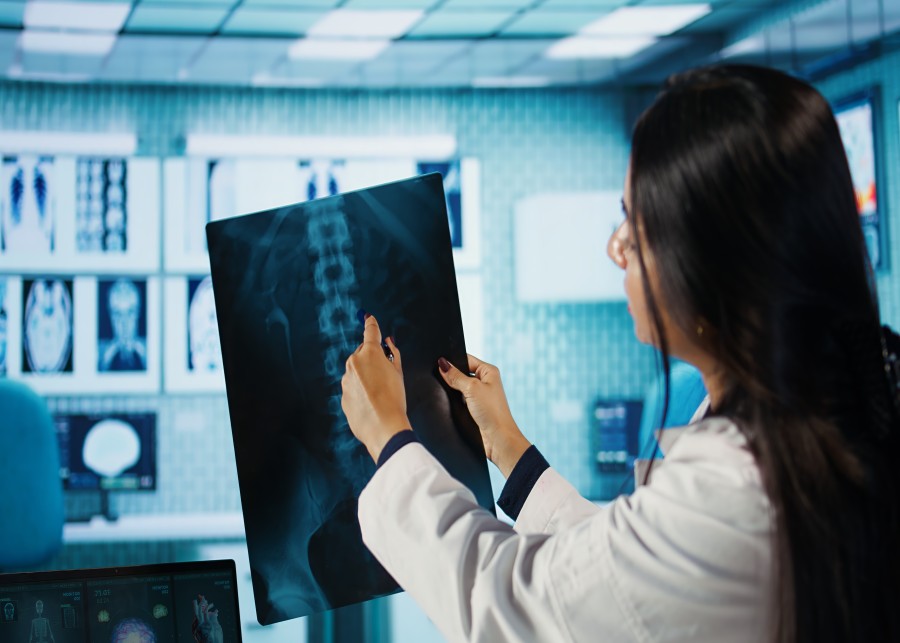
What Is Spinal Stenosis?
Spinal stenosis most commonly develops in the lower back, known as lumbar spinal stenosis, or in the neck, called cervical spinal stenosis. It often occurs as people age and may be associated with arthritis, thickened ligaments, bone spurs, bulging discs, or degenerative changes in the spine. In some cases, spinal stenosis can result from an injury or a naturally narrow spinal canal.
Lumbar spinal stenosis may cause pain, heaviness, tingling, or weakness in the legs, especially when standing or walking. Symptoms may improve when sitting or leaning forward. Cervical spinal stenosis can cause neck discomfort, arm symptoms, hand coordination problems, or balance difficulties.
Recognizing these symptoms early can help patients seek an appropriate evaluation and discuss suitable treatment options.
Common Spinal Stenosis Treatment Options in Odessa, TX
1. Physical Therapy and Guided Exercise
Physical therapy is often a first-line treatment for spinal stenosis. A qualified physical therapist can develop an individualized exercise program designed to improve flexibility, strengthen supporting muscles, and increase stability.
Treatment may include gentle stretching, core-strengthening exercises, posture training, balance exercises, and walking modifications. Some patients benefit from exercises that reduce pressure on affected nerves and improve their tolerance for everyday activities.
Patients should avoid exercises that significantly worsen their symptoms. A healthcare professional can help determine which movements are appropriate based on the location and severity of the stenosis.
2. Medications for Pain and Inflammation
Medications may help manage discomfort associated with spinal stenosis. Depending on a patient’s medical history and symptoms, a clinician may recommend over-the-counter pain relievers or other prescription medications.
Anti-inflammatory medications may help certain patients, but they are not appropriate for everyone and can carry risks, particularly for people with kidney disease, stomach ulcers, cardiovascular conditions, or those taking blood thinners. Other medicines may sometimes be considered for specific nerve-related symptoms.
Medication generally manages symptoms rather than correcting the underlying narrowing. Patients should discuss the benefits, risks, and appropriate duration of treatment with a healthcare professional.
3. Epidural Steroid Injections
For some people with persistent nerve-related pain, an epidural steroid injection may provide temporary relief. The procedure delivers anti-inflammatory medication into the space around the affected spinal nerves.
A specialist may consider this option when pain interferes with walking, sleep, or daily activities despite initial treatments. The amount and duration of relief vary from person to person, and injections do not permanently widen the spinal canal.
The risks, expected benefits, and suitability of injections should be reviewed with a qualified clinician before treatment.
4. Lifestyle Changes and Activity Modification
Small lifestyle adjustments can help people with spinal stenosis manage symptoms and remain active. Maintaining a healthy weight can reduce stress on the spine, while regular low-impact exercise may support strength and mobility.
Walking in shorter intervals, taking breaks when needed, and adjusting activities that trigger symptoms may improve comfort. Some patients find stationary cycling or water-based exercise easier than prolonged standing or walking.
Patients should seek professional guidance before starting a new exercise routine, especially if they experience significant weakness, balance problems, or worsening pain.
5. Advanced Pain Management and Specialist Evaluation
When symptoms continue despite conservative treatment, a spine specialist or pain management clinician may recommend additional diagnostic testing and treatment planning. Depending on the symptoms, an evaluation may include a physical and neurological examination, a review of medical history, and imaging such as an MRI when appropriate.
The goal is to identify the source of symptoms and determine whether they are caused by spinal stenosis or another condition. A personalized plan may combine physical therapy, medication, selected procedures, and specialist follow-up.
6. Surgery for Severe Spinal Stenosis
Surgery may be considered when symptoms are severe, daily functioning is significantly limited, or nonsurgical treatments have not provided sufficient relief. It may also be necessary when spinal stenosis causes progressive neurological problems.
A procedure called decompression surgery, including laminectomy in appropriate cases, removes tissue or bone that is pressing on nerves. Some patients may require spinal fusion if instability is present or expected after decompression.
The choice of procedure depends on the affected spinal region, the degree of narrowing, spinal stability, and the patient’s overall health. A spine surgeon can explain potential benefits, recovery expectations, and risks before a decision is made.
When Should You Seek Medical Attention?
People with ongoing back or neck pain, numbness, tingling, leg discomfort while walking, or changes in mobility should arrange a medical evaluation. Early assessment can help identify the cause and guide appropriate care.
Seek emergency medical care immediately if you develop new loss of bladder or bowel control, difficulty urinating associated with neurological symptoms, numbness around the groin or saddle area, or rapidly worsening leg weakness. These symptoms may indicate serious nerve compression requiring urgent treatment.
Choosing Spinal Stenosis Care in Odessa, TX
When exploring spinal stenosis treatment options in Odessa TX, look for a healthcare provider who evaluates your symptoms, explains available treatments, and creates a plan based on your individual needs. Ask about nonsurgical options, medication risks, the role of physical therapy, and when referral to a spine specialist may be appropriate.
A coordinated approach can help patients understand their condition and make informed decisions about managing pain, preserving function, and improving quality of life.
Conclusion
Spinal stenosis can interfere with walking, sleeping, working, and enjoying everyday activities, but several treatment options may help manage its effects. Physical therapy, appropriate medications, lifestyle adjustments, selected injections, and surgery in certain cases can all play a role in care.
The best treatment depends on the individual’s symptoms, medical history, and the severity of nerve compression. If you are experiencing persistent back pain, neck pain, numbness, or difficulty walking, consult a qualified healthcare professional in Odessa, TX, for an evaluation and personalized treatment recommendations.
Frequently Asked Questions (FAQs)
1. What is the best treatment for spinal stenosis?
The best treatment depends on the location and severity of spinal narrowing and the patient’s symptoms. Physical therapy, activity modification, medication, injections, or surgery may be appropriate in different circumstances.
2. Can spinal stenosis improve without surgery?
Yes. Many people manage symptoms with non-surgical treatments such as physical therapy, activity adjustments, and medication when appropriate. However, these treatments may not eliminate the underlying narrowing.
3. When is surgery necessary for spinal stenosis?
Surgery may be considered when symptoms remain disabling despite conservative treatment or when there is progressive neurological impairment. The decision depends on the patient’s condition and specialist assessment.
4. Does walking make spinal stenosis worse?
Walking or standing can increase symptoms in some people with lumbar spinal stenosis. Others tolerate walking well. A clinician or physical therapist can recommend suitable activities and modifications.
5. Can spinal stenosis cause leg weakness?
Yes. Pressure on nerves in the lower back can contribute to leg pain, tingling, numbness, or weakness. New or worsening weakness requires prompt medical evaluation.
Are back pain, numbness, or walking difficulties affecting your daily routine? Do not ignore persistent symptoms. Arrange a professional evaluation to learn which spinal stenosis treatment options may be appropriate for you.
Contact Specialty Care Clinics to ask about available services, treatment referrals, and appointment options in Odessa, TX. Take the next step toward informed spine care and improved daily function.
Visit Us: Visit us https://sccodessa.com/services/primary-care/ Specialty Care Clinics in Odessa, TX, to inquire about available spine-related evaluation and care services.
Contact Us: Contact our team +1 (432) 322-8675 to ask about spinal stenosis symptoms, treatment options, appointment availability, and specialist referrals.
Your Spine Health Matters: Explore appropriate treatment options, understand your diagnosis, and work with a qualified healthcare professional to develop a personalized care plan.
Take the First Step: If back or neck pain is affecting your mobility, seek professional guidance to discuss suitable next steps for spinal stenosis care.