
What Is a Slipped Disc?
A slipped disc, commonly known as a herniated disc, occurs when the soft inner material of a spinal disc pushes through a weakened or damaged outer layer. Spinal discs act as cushions between the bones of the spine, helping absorb shock and allowing flexibility during everyday movements. When a disc becomes herniated, it can irritate or compress nearby nerves, potentially causing back pain, neck pain, numbness, tingling, or muscle weakness.
People looking for slipped disc treatment in Odessa, TX, may experience symptoms that interfere with work, exercise, driving, and other daily activities. The right treatment depends on the location of the affected disc, the severity of symptoms, the presence of nerve involvement, and the patient’s overall health.
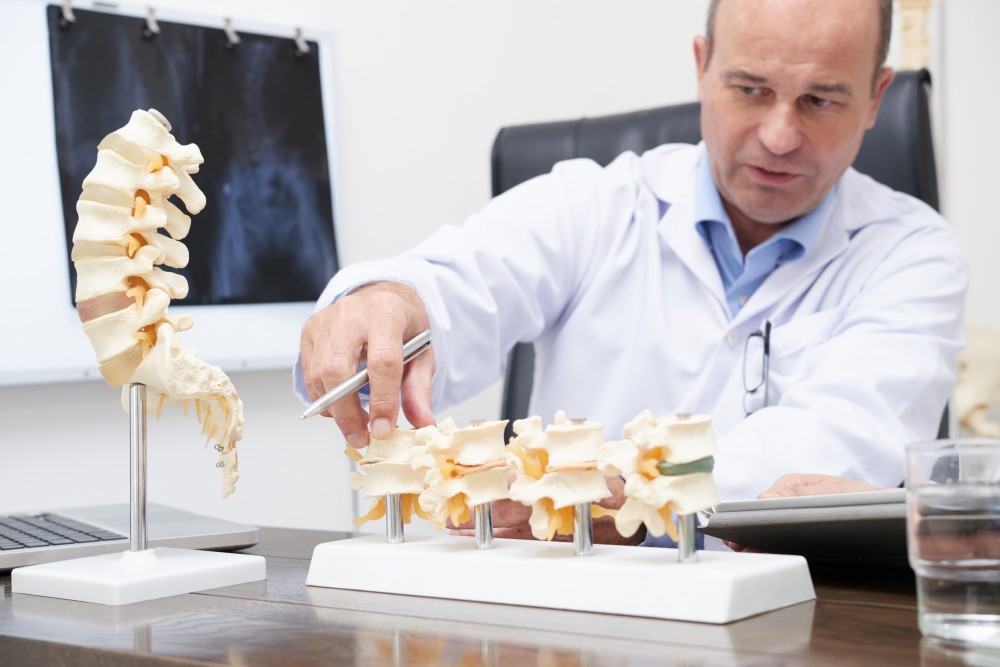
Common Symptoms of a Slipped Disc
Slipped disc symptoms vary depending on whether the affected disc is in the neck or lower back. Some people experience mild discomfort, while others develop significant pain that radiates into the arms or legs.
Common symptoms include persistent lower back or neck pain, pain that travels down the leg or arm, tingling or numbness in the extremities, muscle weakness, and discomfort that worsens with certain movements, coughing, or sneezing. A herniated disc in the lower back may irritate the sciatic nerve, causing pain that travels from the buttock down the leg.
Not everyone with a herniated disc experiences symptoms. However, persistent pain, worsening numbness, or weakness should be evaluated by a qualified healthcare professional.
What Causes a Slipped Disc?
Several factors can contribute to a slipped disc. Age-related changes can cause spinal discs to lose water content and become less flexible, making them more susceptible to damage. Lifting heavy objects incorrectly, sudden twisting movements, repetitive physical activity, and traumatic injuries may also contribute to disc herniation.
Prolonged sitting, poor lifting techniques, and inadequate conditioning can place additional stress on the spine. Although these factors do not always cause a herniated disc, maintaining healthy movement habits and appropriate physical activity may help support spinal health.
Slipped Disc Treatment Options in Odessa, TX
Treatment for a slipped disc is individualized. Many people improve with conservative treatment and do not require surgery. A healthcare professional can evaluate symptoms and recommend an appropriate treatment plan.
1. Medical Evaluation and Diagnosis
The first step in effective slipped disc treatment is identifying the source of the pain. A healthcare professional may review your medical history, ask about your symptoms, and perform a physical examination to assess movement, sensation, muscle strength, and reflexes.
Imaging tests, such as an MRI, may be recommended when symptoms are severe, persistent, or suggest nerve compression. Imaging is not necessary for every patient, and the decision depends on clinical findings.
An accurate diagnosis helps distinguish a herniated disc from other causes of back pain, including muscle strain, spinal stenosis, and other spinal conditions.
2. Medication and Pain Management
Depending on your medical history and symptoms, a healthcare professional may recommend medications to manage pain and inflammation. Certain over-the-counter pain relievers may be appropriate for some people, while prescription treatments may be considered in selected cases.
Medication suitability depends on factors such as kidney function, stomach problems, other medical conditions, and existing prescriptions. Always follow professional guidance and avoid using medication that has not been recommended for you.
Pain management may help patients remain comfortable while the affected area heals and rehabilitation begins.
3. Physical Therapy and Guided Exercises
Physical therapy can be an important part of slipped disc treatment. A qualified physical therapist may recommend exercises that improve flexibility, strengthen supporting muscles, and help patients move more comfortably.
Treatment may include gentle stretching, core stabilization, posture training, and movement techniques tailored to the individual’s symptoms. Exercises should be selected carefully because movements that help one person may aggravate another person’s pain.
Patients should avoid exercises that significantly worsen symptoms and seek professional advice before beginning a new routine, especially when pain radiates into an arm or leg.
4. Lifestyle Changes and Activity Modification
Appropriate activity modification can help reduce unnecessary stress on the spine. Depending on the symptoms, patients may benefit from avoiding heavy lifting, repetitive twisting, and prolonged positions that aggravate pain.
Gentle walking and regular changes in position may be helpful for many people. Extended bed rest is generally not recommended for uncomplicated back pain. Maintaining a healthy weight, practicing proper lifting techniques, and following a consistent exercise plan can also support long-term spinal health.
5. Advanced Pain Management Options
If symptoms continue despite initial treatment, a healthcare professional may consider additional options. For selected patients with nerve-root inflammation, an epidural steroid injection may provide temporary symptom relief and support participation in rehabilitation.
The benefits and risks vary, and injections do not repair the disc itself. A specialist can determine whether this approach is appropriate based on the diagnosis, symptoms, and previous treatments.
6. When Is Slipped Disc Surgery Necessary?
Surgery is not necessary for most people with a herniated disc. However, it may be considered when significant pain persists despite appropriate nonsurgical treatment or when nerve compression causes progressive neurological problems.
Procedures such as a discectomy may be used to remove the portion of disc material pressing on a nerve. The choice of procedure depends on the location and severity of the herniation and the patient’s individual circumstances.
Surgical decisions should be made with a qualified spine specialist after discussing the potential benefits, risks, recovery expectations, and alternatives.
When Should You Seek Medical Attention?
If you have ongoing back or neck pain, recurring sciatica, tingling, or numbness, arrange an evaluation with a healthcare professional. Early assessment can help identify the cause and determine whether conservative care or specialist treatment is appropriate.
Seek emergency medical care immediately if you develop new loss of bladder or bowel control, difficulty urinating, numbness around the groin or saddle area, or rapidly worsening leg weakness. These symptoms may indicate serious nerve compression that requires urgent treatment.
Find Slipped Disc Treatment in Odessa, TX
Living with a slipped disc can make ordinary activities uncomfortable and limit your ability to work, exercise, and enjoy daily life. Fortunately, many herniated discs improve with an individualized treatment plan that may include pain management, physical therapy, activity modification, and other nonsurgical approaches.
If you are searching for slipped disc treatment in Odessa, TX, consider a medical provider who can assess your symptoms, explain your treatment options, and coordinate additional specialist care when necessary.
Don’t let back pain or radiating nerve pain keep you from your daily activities. Contact a qualified healthcare provider in Odessa, TX, to discuss your symptoms and determine the next steps for slipped disc treatment. An appropriate evaluation can help you understand your condition and explore treatment options suited to your needs.
Visit us to learn more about available spine care services, or contact us today to ask about scheduling an appointment and getting professional guidance for back pain and herniated disc symptoms.
Frequently Asked Questions (FAQs)
1. What is the best treatment for a slipped disc?
The best treatment depends on the severity and location of the herniated disc. Options may include activity modification, appropriate pain medication, physical therapy, selected injections, and, in certain cases, surgery.
2. Can a slipped disc heal without surgery?
Yes. Many herniated discs improve over time with conservative treatment. Symptoms may gradually decrease as inflammation settles and the body naturally reduces some of the herniated material.
3. How long does a slipped disc take to heal?
Recovery varies depending on the severity of the injury, nerve involvement, overall health, and treatment plan. Some people improve within several weeks, while others may experience symptoms for several months.
4. Can a slipped disc cause sciatica?
Yes. A herniated disc in the lower back can compress or irritate a nerve root that contributes to the sciatic nerve, causing pain, tingling, or numbness that travels into the buttock and leg.
5. When should I see a doctor for a slipped disc?
Seek an evaluation for persistent or worsening back pain, pain radiating into an arm or leg, numbness, or muscle weakness. New bladder or bowel dysfunction, saddle-area numbness, or rapidly worsening weakness requires emergency medical assessment.
- Visit us https://sccodessa.com/ to learn about available care options for slipped discs, herniated discs, and persistent back pain in Odessa, TX.
- Contact us today to ask about appointments and discuss your back pain symptoms with a qualified healthcare professional.
- Searching for slipped disc treatment in Odessa, TX? Visit us to explore appropriate evaluation and treatment options for your spinal health.
- Don’t ignore persistent back pain or sciatica. Contact us at +1 (432) 322-8675 to learn about the next steps toward effective symptom management.
- Take a proactive step toward better spinal health. Visit us and contact us today to learn more about available spine care services.