
What Is a Slipped Disc?
A slipped disc, also called a herniated or bulging disc, occurs when one of the cushions between the bones of the spine becomes damaged or moves out of its normal position. Spinal discs help absorb shock and allow the spine to move comfortably. When a disc becomes weakened, its inner material can push through a damaged outer layer and irritate nearby nerves.
A slipped disc may develop in the lower back or neck and can cause pain that travels into the arms, legs, or buttocks. Symptoms vary depending on the location and severity of the disc problem. Specialty Care Clinics lists slipped discs, disc bulges, sciatica, spinal stenosis, and several other spine conditions among the conditions it treats.
If you are experiencing persistent back pain, numbness, tingling, or weakness, getting an appropriate evaluation can help determine whether a slipped disc is contributing to your symptoms.
Common Symptoms of a Slipped Disc
The symptoms of a slipped disc can range from mild discomfort to significant pain that interferes with everyday activities. Common symptoms include:
- Lower back or neck pain
- Pain that travels down an arm or leg
- Numbness or tingling
- Muscle weakness
- Difficulty sitting, standing, walking, or bending
- Pain that becomes worse with certain movements
- Burning, shooting, or electric-like pain
A herniated disc in the lower back may irritate the sciatic nerve and contribute to sciatica. A disc problem in the neck can cause symptoms that extend into the shoulder, arm, or hand.
Not every person with a slipped disc experiences the same symptoms. A healthcare professional can assess your symptoms and medical history to determine the most appropriate next steps.
What Causes a Slipped Disc?
Several factors can contribute to disc problems. Age-related changes can make spinal discs less flexible and more susceptible to injury. Repetitive lifting, poor body mechanics, prolonged sitting, sudden twisting, and physically demanding activities may also increase stress on the spine.
In some cases, a slipped disc can occur after an accident or workplace injury. Excess body weight may also increase the mechanical load placed on the spine.
Because there can be multiple causes of back and leg pain, it is important not to assume that every episode of back pain is caused by a herniated disc. Professional evaluation can help identify the underlying problem.
How Is a Slipped Disc Diagnosed?
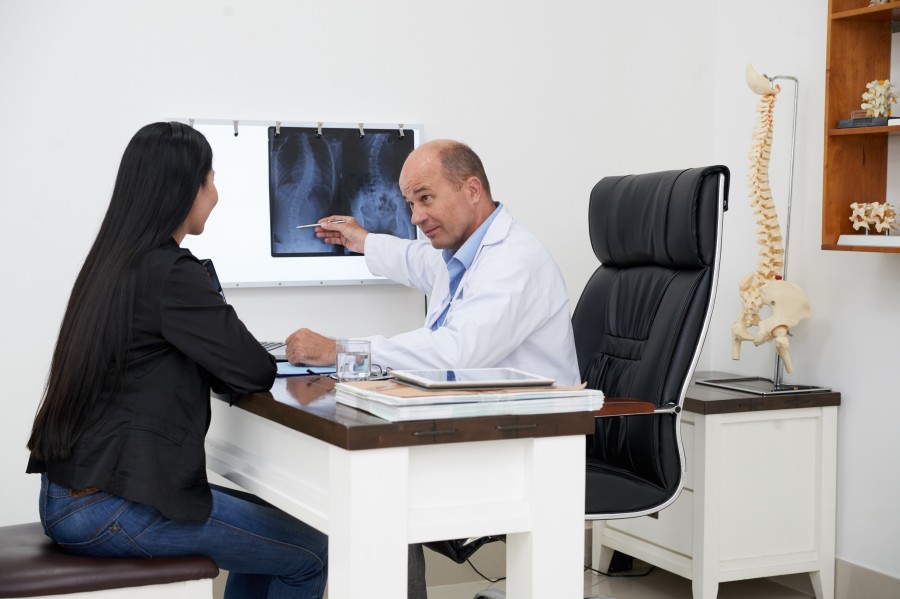
Diagnosis generally begins with a discussion of your symptoms and medical history followed by a physical examination. Your provider may assess your range of motion, reflexes, muscle strength, sensation, and how certain movements affect your symptoms.
Depending on your symptoms and examination findings, imaging may be recommended. X-rays can help evaluate the bones and alignment of the spine, while MRI scans can provide detailed images of discs, nerves, and other soft tissues.
Specialty Care Clinics’ Odessa services include access to diagnostic capabilities such as X-ray and ultrasound for certain health concerns, while its orthopedic and spine service focuses on diagnosing and treating spinal conditions, including herniated discs and spinal stenosis.
Slipped Disc Treatment Options in Odessa TX
Treatment depends on the location of the disc problem, severity of symptoms, overall health, and whether a nerve is being compressed. Many patients can begin with nonsurgical treatment.
1. Medication and Activity Modification
Depending on the individual’s condition, a healthcare provider may recommend medications to help manage pain and inflammation. Temporary modification of activities that aggravate symptoms can also be useful.
However, prolonged bed rest is generally not an ideal long-term strategy. Your provider can help you determine which activities are appropriate while you recover.
2. Physical Therapy
Physical therapy may be recommended to improve mobility, strengthen supporting muscles, and promote better movement patterns. A customized exercise program may focus on the core, back, hips, or neck depending on the location of the disc problem.
The goal is not simply to reduce pain but also to improve function and help you safely return to normal activities.
3. Epidural Steroid Injections
When inflammation around a spinal nerve contributes to significant pain, an epidural steroid injection may be considered. These injections are intended to deliver medication near the affected area and may provide temporary relief for appropriate patients.
Specialty Care Clinics lists lumbar and cervical epidural steroid injections among its treatment services.
4. Other Interventional Pain Treatments
Some patients with persistent symptoms may benefit from additional interventional treatments, depending on the diagnosis. Specialty Care Clinics lists options such as nerve blocks, joint injections, and spinal cord stimulation among its pain-management services.
These treatments are not appropriate for everyone, so a qualified provider should determine whether a particular procedure fits your condition.
5. Minimally Invasive or Surgical Treatment
Surgery is not necessary for every slipped disc. However, it may be considered when severe symptoms persist despite appropriate conservative treatment or when significant nerve compression causes concerning neurological problems.
Specialty Care Clinics’ Odessa orthopedic and spine service states that its team provides spine treatment, including care for herniated discs and spinal stenosis, and uses minimally invasive techniques when appropriate.
When Should You Seek Treatment?
You should consider professional evaluation when back or neck pain continues, repeatedly returns, limits normal activities, or is accompanied by numbness, tingling, or weakness.
Seek urgent medical attention for serious symptoms such as new loss of bladder or bowel control, numbness around the groin or inner thighs, or rapidly progressing weakness. These symptoms can indicate significant nerve compression and require prompt assessment.
Why Choose Slipped Disc Treatment in Odessa TX?
Choosing a local spine-care provider can make it easier to receive evaluation, treatment, follow-up, and referrals when needed. Specialty Care Clinics offers orthopedic and spine care in Odessa and identifies herniated discs among the spinal conditions addressed by its services.
Its contact information lists an Odessa location at 500 E. 4th Street, Odessa, TX 79761, with phone numbers (432) 322-8675 and (432) 322-8676.
Take the Next Step Toward Better Spine Health
Living with ongoing back or leg pain can affect work, sleep, exercise, and everyday activities. The right treatment starts with understanding what is causing your symptoms. Whether you need conservative care, physical therapy, pain-management options, injections, or evaluation for advanced treatment, a personalized approach can help you move toward better function.
Visit us at Specialty Care Clinics in Odessa to discuss your back or neck symptoms with a healthcare professional and learn about appropriate treatment options.
Contact us today to schedule an evaluation and take the next step toward managing your slipped disc and improving your quality of life.
Frequently Asked Questions (FAQs)
1. What is the best treatment for a slipped disc?
The best treatment depends on the location and severity of the disc problem. Options may include activity modification, medication, physical therapy, injections, and, when necessary, surgical treatment.
2. Can a slipped disc heal without surgery?
Many people with disc-related symptoms can be treated without surgery. A healthcare professional can determine whether conservative treatment is appropriate based on your symptoms and examination.
3. How long does slipped disc pain last?
The duration varies from person to person. Some cases improve over time with appropriate conservative care, while persistent or severe symptoms may require additional evaluation and treatment.
4. Can a slipped disc cause sciatica?
Yes. A disc problem in the lower back can irritate or compress a nerve that contributes to sciatic pain, potentially causing pain, tingling, numbness, or weakness that travels into the leg.
5. When is surgery needed for a slipped disc?
Surgery may be considered when symptoms remain severe despite nonsurgical treatment or when significant nerve compression causes serious neurological problems. The decision should be made after an appropriate medical evaluation.
Experiencing persistent back or leg pain? Don’t let a slipped disc keep you from your daily activities.
Visit us https://sccodessa.com/services/primary-care/ in Odessa, TX for personalized orthopedic and spine care.
Contact Specialty Care Clinics today to learn more about your slipped disc treatment options.
Call us at +1 (432) 322-8676 to schedule your consultation and take the first step toward better spine health.