
A slipped disc is one of the most common causes of severe back pain and discomfort. It can affect people of all ages, especially those with physically demanding jobs, poor posture, or age-related spinal degeneration. The condition can make simple daily activities such as walking, sitting, or lifting objects extremely painful. Fortunately, modern slipped disc treatment options can help patients recover effectively and regain their quality of life.
Understanding the symptoms, causes, and available treatment methods is important for early recovery and preventing complications. In this guide, we will discuss everything you need to know about slipped disc treatment and how proper care can help reduce pain and restore mobility.
What Is a Slipped Disc?
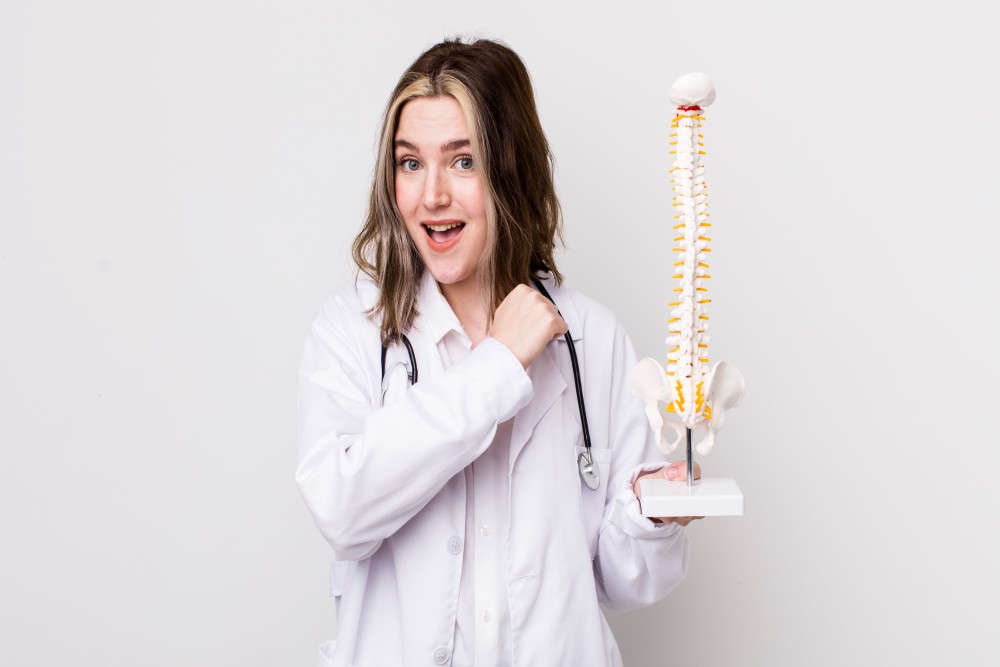
A slipped disc, also known as a herniated or prolapsed disc, occurs when the soft inner portion of a spinal disc pushes through the outer layer. The spine contains discs that act as cushions between the vertebrae. When one of these discs becomes damaged, it may press on nearby nerves and cause pain, numbness, or weakness.
Slipped discs commonly occur in the lower back or neck area. While some mild cases improve with rest and therapy, severe conditions may require advanced medical intervention.
Common Symptoms of a Slipped Disc
The symptoms of a slipped disc vary depending on the location and severity of the condition. Some people may experience mild discomfort, while others may suffer from intense pain that affects daily life.
Common symptoms include:
- Lower back pain
- Neck pain
- Numbness or tingling in the arms or legs
- Muscle weakness
- Pain that worsens with movement
- Difficulty standing or walking
- Sciatica pain radiating down the leg
If these symptoms persist for several weeks or worsen over time, seeking professional slipped disc treatment is highly recommended.
Causes and Risk Factors
Several factors can contribute to a slipped disc. Understanding these causes may help reduce the risk of developing spinal problems in the future.
1. Age-Related Degeneration
As people age, spinal discs naturally lose flexibility and hydration, making them more prone to injury.
2. Poor Posture
Incorrect sitting and standing posture places extra pressure on the spine and may increase the risk of disc problems.
3. Heavy Lifting
Lifting heavy objects improperly can strain spinal discs and lead to herniation.
4. Obesity
Excess body weight increases stress on the lower back and spinal discs.
5. Sedentary Lifestyle
Lack of exercise weakens the muscles supporting the spine and increases the likelihood of injury.
Diagnosis of a Slipped Disc
Accurate diagnosis is essential for choosing the right slipped disc treatment plan. Healthcare professionals usually begin with a physical examination and review of symptoms.
Additional diagnostic tests may include:
- MRI scans
- CT scans
- X-rays
- Nerve conduction studies
These tests help determine the location and severity of the disc problem and guide treatment decisions.
Non-Surgical Slipped Disc Treatment Options
Most patients recover successfully without surgery. Non-surgical slipped disc treatment methods are often the first line of care.
1. Rest and Activity Modification
Short periods of rest can help reduce inflammation and pain. However, prolonged bed rest is generally not recommended because it may weaken muscles and slow recovery.
Patients are encouraged to avoid activities that worsen pain while gradually returning to normal movement.
2. Medications
Doctors may prescribe medications to relieve pain and inflammation, such as:
- Pain relievers
- Anti-inflammatory drugs
- Muscle relaxants
These medications can provide temporary relief while the body heals naturally.
3. Physical Therapy
Physical therapy is one of the most effective slipped disc treatment methods. A trained therapist designs exercises to strengthen spinal muscles, improve flexibility, and reduce pressure on nerves.
Benefits of physical therapy include:
- Improved posture
- Better mobility
- Reduced pain
- Faster recovery
- Prevention of future injuries
Regular exercise and guided rehabilitation play a major role in long-term spinal health.
4. Heat and Cold Therapy
Cold packs may help reduce swelling and inflammation during the early stages of injury. Heat therapy can relax muscles and improve blood circulation during recovery.
Alternating between heat and cold therapy often provides effective pain relief.
5. Lifestyle Changes
Making healthy lifestyle adjustments can significantly improve recovery outcomes.
Helpful lifestyle changes include:
- Maintaining proper posture
- Losing excess weight
- Avoiding heavy lifting
- Staying physically active
- Using ergonomic furniture
- Practicing stretching exercises
These habits support spinal health and reduce the risk of recurring disc problems.
Advanced Slipped Disc Treatment
If conservative treatments fail to improve symptoms, advanced medical procedures may be recommended.
1. Epidural Steroid Injections
Steroid injections help reduce inflammation around irritated nerves and provide temporary pain relief. These injections are often used when severe pain interferes with daily activities.
2. Minimally Invasive Procedures
Modern medical technology offers minimally invasive slipped disc treatment options that involve smaller incisions and faster recovery times.
These procedures may include:
- Microdiscectomy
- Endoscopic spine surgery
- Laser-assisted treatments
Patients usually experience less pain and shorter hospital stays compared to traditional surgery.
3. Surgical Treatment
Surgery may be necessary for severe slipped disc cases causing significant nerve compression, muscle weakness, or loss of bladder control.
Common surgical procedures include:
- Discectomy
- Laminectomy
- Spinal fusion
A spine specialist will determine the most suitable procedure based on the patient’s condition.
4. Recovery and Rehabilitation
Recovery time varies depending on the severity of the slipped disc and the chosen treatment method. Many patients recover within a few weeks through conservative care, while surgical recovery may take several months.
Successful rehabilitation often includes:
- Physical therapy
- Gradual return to activity
- Strength-building exercises
- Proper posture training
Following medical advice carefully can improve healing and prevent future complications.
5. Preventing Future Disc Problems
Preventive care is essential for maintaining spinal health and avoiding recurring pain.
Here are some prevention tips:
- Exercise regularly
- Strengthen core muscles
- Lift objects correctly
- Avoid smoking
- Maintain a healthy body weight
- Practice good posture
Simple daily habits can make a major difference in protecting your spine.
When to See a Doctor
While mild back pain may improve on its own, certain symptoms require immediate medical attention.
Seek professional slipped disc treatment if you experience:
- Severe or worsening pain
- Loss of bladder or bowel control
- Significant weakness in the arms or legs
- Persistent numbness
- Difficulty walking
Early diagnosis and treatment can prevent long-term nerve damage and improve recovery outcomes.
Conclusion
A slipped disc can seriously impact daily life, but with the right treatment and care, most patients can recover successfully. From physical therapy and medication to advanced surgical procedures, modern slipped disc treatment options provide effective solutions for pain relief and improved mobility.
Maintaining a healthy lifestyle, practicing proper posture, and seeking early medical attention are key steps in protecting spinal health. If you are experiencing persistent back or neck pain, consulting a healthcare professional can help you receive the right diagnosis and treatment plan for long-term relief.
Frequently Asked Questions (FAQs)
1. What is the fastest way to heal a slipped disc?
The fastest way to heal a slipped disc usually includes rest, physical therapy, pain management, and avoiding activities that strain the spine.
2. Can a slipped disc heal without surgery?
Yes, many slipped disc cases improve with non-surgical treatments such as medication, therapy, and lifestyle modifications.
3. How long does slipped disc recovery take?
Recovery may take a few weeks to several months depending on the severity of the condition and treatment method.
4. Is walking good for a slipped disc?
Yes, gentle walking can improve circulation, strengthen muscles, and support recovery when done carefully.
5. What should I avoid with a slipped disc?
Avoid heavy lifting, poor posture, sudden twisting movements, and prolonged sitting during recovery.
Visit us https://sccodessa.com/services/primary-care/ today for professional slipped disc treatment and personalized spinal care solutions designed for lasting pain relief and improved mobility.
Contact us at (469) 884-1975 now to schedule your consultation and begin your journey toward a healthier, pain-free life.