
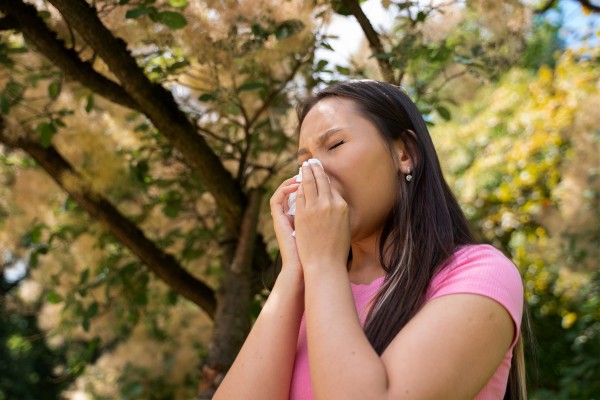
Seasonal allergies symptoms affect millions of people every year, especially during spring, summer, and fall. These symptoms occur when the immune system overreacts to airborne allergens such as pollen, grass, mold spores, and weeds. While seasonal allergies are not life-threatening, they can significantly impact daily comfort, sleep quality, and productivity if left unmanaged.
What Are Seasonal Allergies?
Seasonal allergies, also known as hay fever or allergic rhinitis, occur during specific times of the year when allergen levels rise. The most common trigger is pollen allergy, which spreads through the air from trees, grasses, and weeds. When inhaled, pollen causes the body to release histamines, leading to various allergy symptoms.
Common Seasonal Allergies Symptoms
Seasonal allergies symptoms can range from mild to severe and often resemble a common cold. Typical allergy symptoms include:
- Frequent sneezing
- Runny or stuffy nose
- Itchy nose, throat, or ears
- Watery, red, or itchy eyes
- Sinus pressure or headaches
- Postnasal drip
- Fatigue due to poor sleep
Unlike a cold, seasonal allergies usually do not cause fever or body aches and may persist as long as allergen exposure continues.
Causes and Triggers
The primary cause of seasonal allergies is exposure to outdoor allergens. Common triggers include:
- Tree pollen in spring
- Grass pollen in early summer
- Weed pollen in fall
- Mold spores in damp or humid conditions
People with asthma or a family history of allergies may be more prone to developing seasonal allergies symptoms.
How to Manage and Relieve Allergy Symptoms
Managing seasonal allergies requires a combination of prevention and treatment. Effective relief options include:
- Over-the-counter antihistamines to reduce sneezing and itching
- Nasal sprays to ease congestion
- Avoiding outdoor activities during high pollen counts
- Using air purifiers indoors
- Showering after outdoor exposure to remove pollen
For persistent or severe allergy symptoms, medical evaluation and personalized treatment plans may be recommended.
When to See a Doctor
If seasonal allergies symptoms interfere with your daily routine, sleep, or breathing, it’s important to seek professional care. Proper diagnosis helps rule out infections and ensures effective treatment for long-term relief.
Frequently Asked Questions (FAQs)
Q1: What are the most common seasonal allergies symptoms?
Common seasonal allergies symptoms include sneezing, runny nose, nasal congestion, itchy eyes, throat irritation, and fatigue.
Q2: How are seasonal allergies different from a cold?
Seasonal allergies last longer, do not cause fever, and are triggered by allergens like pollen, while colds are caused by viruses.
Q3: What causes pollen allergy?
Pollen allergy occurs when the immune system reacts to pollen from trees, grass, or weeds, triggering allergy symptoms.
Q4: Can seasonal allergies be cured permanently?
There is no permanent cure, but seasonal allergies can be effectively managed with medications, avoidance strategies, and medical care.
Q5: When is the worst time for seasonal allergies?
The severity depends on the allergen, but spring and fall are typically the worst seasons for seasonal allergies symptoms.
Get the help you need for seasonal allergies symptoms—visit our website https://sccodessa.com/services/allergy/ and call us now at +1 (432) 322-8675 to breathe easier!