
Introduction
Knee pain can make everyday activities such as walking, climbing stairs, standing, and exercising uncomfortable. Whether your discomfort started after an injury or developed gradually over time, finding the right medical care is important for maintaining mobility and protecting your joint health. If you are searching for an orthopedic doctor in Odessa TX for knee pain, understanding the possible causes and available treatment options can help you make informed decisions about your health.
Orthopedic specialists diagnose and treat conditions affecting bones, joints, muscles, ligaments, tendons, and other parts of the musculoskeletal system. Depending on the cause and severity of your symptoms, treatment may involve activity modification, physical therapy, medication, injections, or surgery. Getting an appropriate evaluation can help identify the source of your pain and determine the next steps toward recovery.
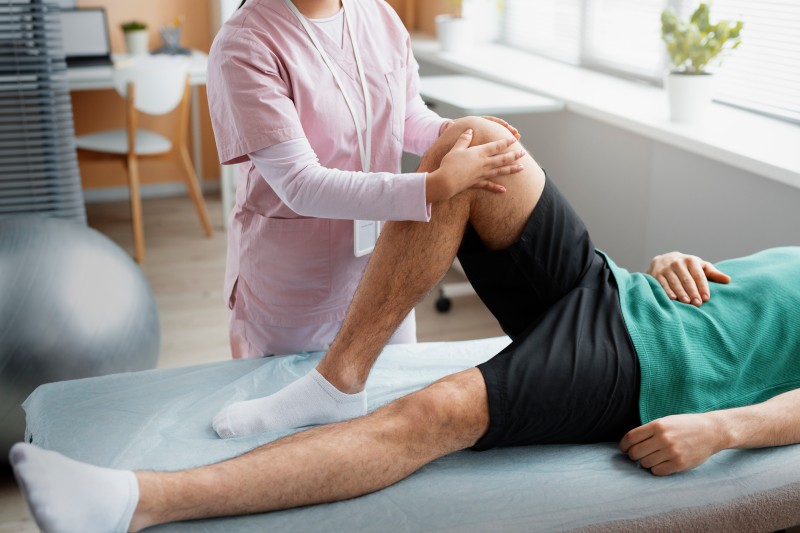
Common Causes of Knee Pain
Knee pain can develop for several reasons, ranging from temporary strain to long-term joint conditions. Identifying the underlying cause is an important part of effective treatment.
- Osteoarthritis: Osteoarthritis occurs when the protective cartilage in a joint gradually wears down. It can cause stiffness, swelling, tenderness, and pain that becomes more noticeable during movement. Older adults and people with previous knee injuries may have an increased risk.
- Sports injuries: Running, jumping, sudden turns, and contact sports can put stress on the knee. Injuries may affect the anterior cruciate ligament (ACL), meniscus, or other structures that support the joint.
- Tendonitis: Inflammation or irritation of a tendon around the knee can develop from repetitive activity or overuse. Symptoms may include localized tenderness and discomfort during exercise.
- Ligament injuries: Ligaments connect bones and help stabilize the knee. A sprain or tear can occur after a fall, awkward landing, or sudden change in direction.
- Bursitis: Small fluid-filled sacs called bursae help reduce friction around joints. When a bursa becomes irritated, the knee may feel tender, swollen, or painful when kneeling or bending.
- Overuse and muscle weakness: Repetitive movements, sudden increases in exercise, and inadequate muscle conditioning can contribute to knee discomfort.
An orthopedic evaluation can help distinguish between these conditions and identify the most appropriate treatment.
When Should You See an Orthopedic Doctor?
Occasional mild knee discomfort may improve with rest and appropriate self-care. However, persistent, recurring, or worsening pain should not be ignored.
Consider consulting an orthopedic doctor in Odessa, TX, if you experience:
- Knee pain that continues despite rest and basic care.
- Swelling, stiffness, or reduced range of motion.
- Difficulty walking, climbing stairs, or standing for extended periods.
- Knee instability, locking, or a feeling that the joint may give way.
- Pain that interferes with sleep or everyday activities.
- Symptoms that return repeatedly during exercise or work.
Seek urgent medical attention if you cannot bear weight on the affected leg, the knee appears deformed, or severe swelling develops after an injury. A hot, red knee accompanied by fever also requires prompt medical evaluation because it may indicate an infection.
What to Expect During an Orthopedic Evaluation
When you visit an orthopedic specialist for knee pain, the evaluation generally begins with a review of your medical history and symptoms. Your provider may ask when the pain started, whether an injury occurred, which movements make it worse, and how the discomfort affects your daily routine.
A physical examination may assess swelling, tenderness, joint stability, alignment, strength, and range of motion. Depending on the findings, diagnostic tests may be recommended.
X-rays can help identify fractures, changes in joint spacing, and certain signs of arthritis. An MRI may be useful when a ligament, meniscus, tendon, or other soft-tissue injury is suspected. Not every patient requires imaging, and testing should be guided by the clinical evaluation.
The goal is to understand the source of your symptoms and develop a treatment plan suited to your condition, activity level, and recovery goals.
Knee Pain Treatment Options in Odessa, TX
Treatment depends on the diagnosis, severity of the condition, overall health, and response to previous care. Many knee problems can initially be managed without surgery.
- Rest and activity modification: Temporarily reducing activities that worsen symptoms may help the joint recover. Low-impact exercises may be appropriate when recommended by a healthcare professional.
- Physical therapy: Targeted exercises can strengthen the muscles surrounding the knee, improve flexibility, support joint stability, and restore movement.
- Medication: Depending on your health history, a clinician may recommend appropriate pain-relieving or anti-inflammatory medication. Always follow medical guidance, particularly if you have kidney problems, stomach ulcers, cardiovascular conditions, or take other medications.
- Injections: For selected conditions, a provider may discuss injections to help manage symptoms. Benefits, limitations, and potential risks vary according to the type of injection and the underlying diagnosis.
- Surgical treatment: When conservative treatment does not provide adequate relief or a significant structural injury requires repair, surgery may be considered. Options can include arthroscopic procedures, ligament reconstruction, or knee replacement for certain advanced joint conditions.
A qualified orthopedic specialist can explain the benefits and risks of each option and help you determine which approach is appropriate.
Tips for Supporting Knee Health
Taking care of your knees can help reduce unnecessary strain and support long-term mobility.
Maintain a healthy weight to reduce pressure on the knee joints. Choose suitable low-impact activities, such as swimming or cycling, when tolerated. Warm up before exercise, increase activity gradually, and use appropriate footwear. Strengthening the quadriceps, hamstrings, and hip muscles may also improve knee support.
If an activity causes significant pain, stop and seek guidance rather than repeatedly pushing through the discomfort. After an injury, follow your healthcare provider’s recommendations for rest, rehabilitation, and a safe return to exercise.
These steps can support joint health, but they do not replace medical evaluation when symptoms are persistent or severe.
Choosing an Orthopedic Doctor in Odessa, TX
Choosing an appropriate provider is an important step toward managing knee pain. Look for a qualified orthopedic professional with experience evaluating knee conditions and explaining treatment options clearly.
Consider the provider’s credentials, experience with your particular condition, available diagnostic services, rehabilitation resources, insurance participation, and appointment availability. Ask whether nonsurgical treatments are appropriate before considering more invasive procedures.
Patients seeking an orthopedic doctor in Odessa TX for knee pain should also consider how conveniently they can access follow-up appointments and physical therapy if needed. A coordinated approach to diagnosis, treatment, and rehabilitation can help support recovery and improve everyday function.
Conclusion
Knee pain can affect your independence, comfort, and ability to participate in activities you enjoy. Understanding the potential causes and seeking timely medical evaluation can help you identify the right path forward.
From arthritis and tendon irritation to sports injuries and ligament damage, different conditions require different approaches. An orthopedic evaluation can help determine whether conservative care, rehabilitation, medication, injections, or surgery may be appropriate.
If knee pain is limiting your daily activities, consider arranging an appointment with a qualified orthopedic professional in Odessa, TX. Early assessment and an individualized treatment plan can help you work toward improved mobility and long-term joint health.
Frequently Asked Questions (FAQs)
1. When should I see an orthopedic doctor for knee pain?
Consider an appointment if knee pain persists, returns frequently, limits your movement, or is accompanied by swelling or instability. Severe injuries and an inability to bear weight may require urgent medical attention.
2. What are the most common causes of knee pain?
Common causes include osteoarthritis, ligament injuries, meniscus tears, tendonitis, bursitis, overuse, and muscle weakness. A clinical examination can help identify the cause.
3. Can knee pain be treated without surgery?
Yes. Many conditions improve with activity modification, physical therapy, appropriate medication, and other nonsurgical treatments. The best option depends on the diagnosis and severity of the problem.
4. Does every knee injury require an MRI?
No. An MRI is generally recommended when additional information about soft tissues or other internal structures is needed. Your provider may determine that an examination and X-rays are sufficient.
5. How can I prevent recurring knee pain?
Maintaining appropriate muscle strength, increasing exercise gradually, using suitable footwear, and avoiding activities that aggravate symptoms may help. Follow a clinician’s advice if you have an existing injury or joint condition.
Take the Next Step Toward Better Knee Health
Don’t let persistent knee pain prevent you from enjoying your daily activities. If you are looking for an orthopedic doctor in Odessa, TX, arrange an evaluation with a qualified orthopedic professional to discuss your symptoms and treatment options.
Contact a local orthopedic clinic to learn about appointment availability, diagnostic services, and personalized knee pain care.
Visit Us: Visit a https://sccodessa.com/services/primary-care/ trusted orthopedic clinic in Odessa, TX, to discuss knee pain, joint stiffness, sports injuries, and treatment options designed around your needs.
Contact Us: Contact an orthopedic care provider in Odessa, TX, +1 (432) 322-8675 to ask about appointments, insurance coverage, knee evaluations, and available treatment services.
Book an Appointment: Take the first step toward improved mobility by scheduling a consultation with an orthopedic professional for persistent or recurring knee pain.
Your Knee Health Matters: Get the information and professional guidance you need to make informed decisions about knee pain treatment and joint health.