
Introduction to Gonorrhea Testing in Odessa, TX
Sexual health is an important part of overall wellness. Sexually transmitted infections (STIs) can affect people of different ages and backgrounds, and some infections may not cause noticeable symptoms. Gonorrhea is one of the most common bacterial sexually transmitted infections. It can affect the reproductive tract, urethra, rectum, and throat. Without proper diagnosis and treatment, it may lead to serious health complications.
Gonorrhea testing in Odessa, TX, helps individuals identify an infection early and receive appropriate medical care. Whether you have symptoms, have had unprotected sexual contact, or simply want routine STI screening, getting tested is an important step toward protecting your health.
Understanding gonorrhea symptoms, available testing methods, and treatment options can help you make informed decisions about your sexual health. Healthcare professionals can recommend appropriate screening based on your symptoms, sexual history, and potential exposure.
What Is Gonorrhea?
Gonorrhea is a bacterial sexually transmitted infection caused by Neisseria gonorrhoeae. It is primarily transmitted through vaginal, anal, or oral sexual contact with an infected person.
The infection can affect several parts of the body, including:
- Urethra (the tube that carries urine out of the body).
- Cervix (the lower part of the uterus).
- Rectum.
- Throat.
- Eyes, in certain circumstances.
One important characteristic of gonorrhea is that many infected individuals do not experience noticeable symptoms. Even without symptoms, an infected person can transmit the bacteria to sexual partners. This makes routine STI screening particularly important for individuals with potential exposure.
Common Symptoms of Gonorrhea
Gonorrhea symptoms can vary depending on the affected body area. Some people develop symptoms within days after exposure, while others may remain asymptomatic.
Common symptoms include:
Symptoms in men:
- Burning or pain during urination.
- White, yellow, or green discharge from the penis.
- Pain or swelling in one or both testicles.
- Increased urinary discomfort.
Symptoms in women:
- Unusual vaginal discharge.
- Burning sensation during urination.
- Bleeding between menstrual periods.
- Pelvic or lower abdominal pain.
- Pain during sexual intercourse.
Rectal gonorrhea symptoms:
- Rectal pain or discomfort.
- Itching around the anus.
- Discharge from the rectum.
- Rectal bleeding or painful bowel movements.
Throat gonorrhea symptoms:
Throat infections often cause no symptoms. Some individuals may experience a sore throat or discomfort, but these symptoms can resemble other common infections.
Because symptoms are not always present, testing is the most reliable way to determine whether someone has gonorrhea.
Who Should Consider Gonorrhea Testing in Odessa, TX?
Gonorrhea screening may be recommended for individuals who have had potential exposure or are at increased risk of sexually transmitted infections.
You should consider discussing testing with a healthcare professional if you:
- Have had unprotected vaginal, anal, or oral sex.
- Have a new sexual partner.
- Have multiple sexual partners.
- Have a partner diagnosed with gonorrhea or another STI.
- Experience unusual genital discharge or painful urination.
- Have pelvic pain or unexplained genital discomfort.
- Have previously been diagnosed with an STI.
Sexually active women younger than 25 are generally recommended to receive annual gonorrhea screening. Women aged 25 and older with increased risk factors may also benefit from screening. Screening recommendations for men and other populations depend on individual risk factors and exposure sites.
Pregnant individuals should discuss appropriate STI screening with their healthcare provider.
Different Types of Gonorrhea Testing
Healthcare professionals use different testing methods to identify gonorrhea. The appropriate method depends on symptoms, exposure history, and the body area that may be infected.
1. Urine Testing
Urine testing is a commonly used method for detecting gonorrhea. A urine sample is analyzed using a nucleic acid amplification test (NAAT), which detects genetic material from the bacteria.
This method is frequently used to evaluate possible urethral or genital infections.
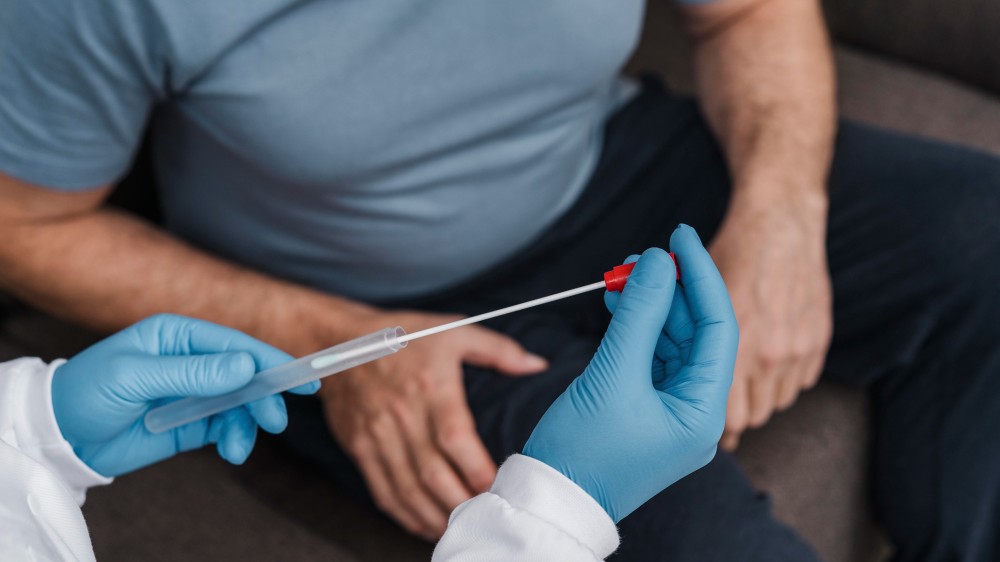
2. Swab Testing
Swab testing collects a sample from a potentially infected area. Depending on sexual exposure, samples may be collected from the vagina, cervix, urethra, rectum, or throat.
Swab-based NAAT testing can identify infections at different anatomical sites, including infections that may not cause symptoms.
3. Laboratory Testing
Laboratory testing helps healthcare professionals confirm an infection and determine the appropriate next steps. In certain situations, bacterial culture may also be recommended, particularly when treatment failure or antibiotic resistance is suspected.
A healthcare professional will determine which testing approach is appropriate for your circumstances.
What to Expect During a Gonorrhea Testing Appointment
If you are considering gonorrhea testing in Odessa, TX, understanding the process can make your appointment more comfortable.
Step 1: Initial consultation
The healthcare professional discusses your symptoms, sexual history, possible exposure, and medical background. This information helps determine which tests are necessary.
Step 2: Sample collection
Depending on the recommended test, you may provide a urine sample or have a swab collected from an appropriate body area.
Step 3: Laboratory analysis
The sample is sent for laboratory testing, commonly using NAAT technology to identify the presence of gonorrhea bacteria.
Step 4: Results and diagnosis
Your healthcare provider explains the results and discusses whether treatment or additional STI screening is needed.
Step 5: Treatment and follow-up
If the test is positive, your provider will recommend appropriate antibiotic treatment and explain when follow-up testing is necessary.
If you may have been exposed recently, ask the provider whether testing should be repeated because very early testing may not detect every infection.
Gonorrhea Treatment and Medical Care
Gonorrhea is a bacterial infection that can generally be treated with antibiotics. The Centers for Disease Control and Prevention (CDC) recommends ceftriaxone administered by injection as the preferred treatment for uncomplicated gonorrhea.
If chlamydia has not been excluded, additional medication may be recommended.
Patients should follow their healthcare provider’s treatment instructions carefully. Antibiotic resistance is an important concern, so self-medication or using leftover antibiotics is not recommended.
After treatment, patients should:
- Avoid sexual activity for seven days after treatment and until their partners have been treated.
- Inform recent sexual partners so they can receive evaluation and treatment.
- Get retested approximately three months after treatment because reinfection is common.
- Follow additional testing instructions from their healthcare provider.
Individuals diagnosed with gonorrhea should also be evaluated for other STIs, including chlamydia, syphilis, and HIV, when appropriate.
Why Early Gonorrhea Testing Is Important
Early testing helps identify infections before they cause more serious complications or spread to sexual partners.
Untreated gonorrhea can cause pelvic inflammatory disease (PID) in women, potentially leading to chronic pelvic pain, ectopic pregnancy, and infertility. In men, complications can include epididymitis and, rarely, fertility problems.
In uncommon cases, gonorrhea can spread through the bloodstream and cause disseminated gonococcal infection, which may affect joints, skin, and other parts of the body.
Early diagnosis and appropriate treatment can reduce these risks. Testing also helps individuals make informed decisions about partner notification and sexual health protection.
How to Prevent Gonorrhea and Other STIs
Although gonorrhea is treatable, prevention remains important. Consider these practical steps:
- Use condoms correctly and consistently during vaginal and anal sex.
- Use barriers during oral sex.
- Get regular STI screenings based on your risk factors.
- Discuss STI testing with new sexual partners.
- Avoid sexual contact until treatment is completed when diagnosed with an infection.
- Ensure sexual partners receive appropriate testing and treatment.
- Seek medical advice after possible exposure.
Remember that having gonorrhea once does not provide immunity. Reinfection is possible after successful treatment.
Choosing a Gonorrhea Testing Provider in Odessa, TX
When searching for gonorrhea testing in Odessa, TX, look for a healthcare provider or clinic that offers appropriate STI screening, confidential handling of medical information, qualified medical professionals, and access to reliable laboratory testing.
Before scheduling an appointment, ask about available urine and swab tests, appointment availability, insurance coverage, testing costs, and result delivery timelines.
You should also confirm whether the clinic provides treatment or referrals if your test result is positive.
Choosing an appropriate healthcare provider makes it easier to receive timely diagnosis, accurate information, and proper follow-up care.
Conclusion
Gonorrhea testing in Odessa TX, is an important part of maintaining sexual health and preventing complications associated with untreated sexually transmitted infections. Because gonorrhea can occur without noticeable symptoms, routine screening is valuable for individuals with potential exposure or increased risk.
Modern testing methods, including urine tests and swab-based NAATs, help healthcare professionals identify infections and recommend appropriate treatment. With early diagnosis, prescribed antibiotics, partner treatment, and follow-up screening, gonorrhea can generally be treated effectively.
If you have symptoms, suspect exposure, or need routine STI screening, contact a qualified healthcare professional to discuss your testing options.
Frequently Asked Questions (FAQs)
1. Where can I get gonorrhea testing in Odessa, TX?
You can contact local healthcare clinics, primary care providers, or sexual health clinics to ask about gonorrhea screening. Confirm available testing methods and appointment requirements before visiting.
2. How is gonorrhea testing performed?
Gonorrhea testing commonly involves a urine sample or a swab collected from the potentially infected area. NAAT is a widely used laboratory method for detecting the infection.
3. Can I have gonorrhea without symptoms?
Yes. Many people with gonorrhea do not experience noticeable symptoms. Regular screening is important when there is a possibility of exposure.
4. How soon after exposure should I get tested?
Testing too soon after exposure may produce a negative result even when an infection is developing. Ask a healthcare professional about the appropriate testing time based on the date and type of exposure.
5. Is gonorrhea testing painful?
Urine testing is generally painless. Swab testing may cause temporary discomfort depending on the collection site and procedure.
Take Charge of Your Sexual Health with Gonorrhea Testing in Odessa, TX!
Do not ignore unusual symptoms or possible STI exposure. Early testing can help identify gonorrhea, prevent complications, and reduce the risk of transmission to others.
Schedule an appointment with a qualified healthcare provider to discuss confidential STI screening, accurate diagnosis, and appropriate treatment options. Prioritize your health with timely medical attention.
Visit Us: Visit our healthcare clinic in Odessa, TX, to learn about available STI screening services and discuss your sexual health concerns with a qualified medical professional.
Contact Us: Contact our team +1 (432) 322-8675 to ask about gonorrhea testing, appointment availability, testing procedures, and treatment options.
Confidential STI Screening: Take an informed step toward better sexual health with professional testing and personalized medical guidance.
Schedule Your Appointment: Get evaluated for possible STI exposure and discuss the screening options that are appropriate for your needs.
Your Health Matters: Early testing, timely treatment, and regular screening can help protect your health and prevent the spread of sexually transmitted infections.