
Introduction to Allergy Skin Testing in Odessa, TX
Allergies can affect everyday life, causing symptoms such as sneezing, nasal congestion, itchy eyes, skin rashes, and persistent discomfort. For some people, symptoms appear during certain seasons, while others experience reactions throughout the year. Identifying the substances responsible for these reactions is an important step toward effective allergy management. Allergy skin testing in Odessa, TX, can help patients and healthcare professionals determine which allergens may be contributing to their symptoms.
Allergy testing evaluates how the immune system responds to specific substances, including pollen, dust mites, mold, and animal dander. Understanding these triggers can help healthcare providers recommend appropriate treatment options and practical strategies for reducing exposure. If you experience recurring allergy symptoms, learning about available testing methods can help you make informed decisions about your healthcare.
What Is Allergy Skin Testing?
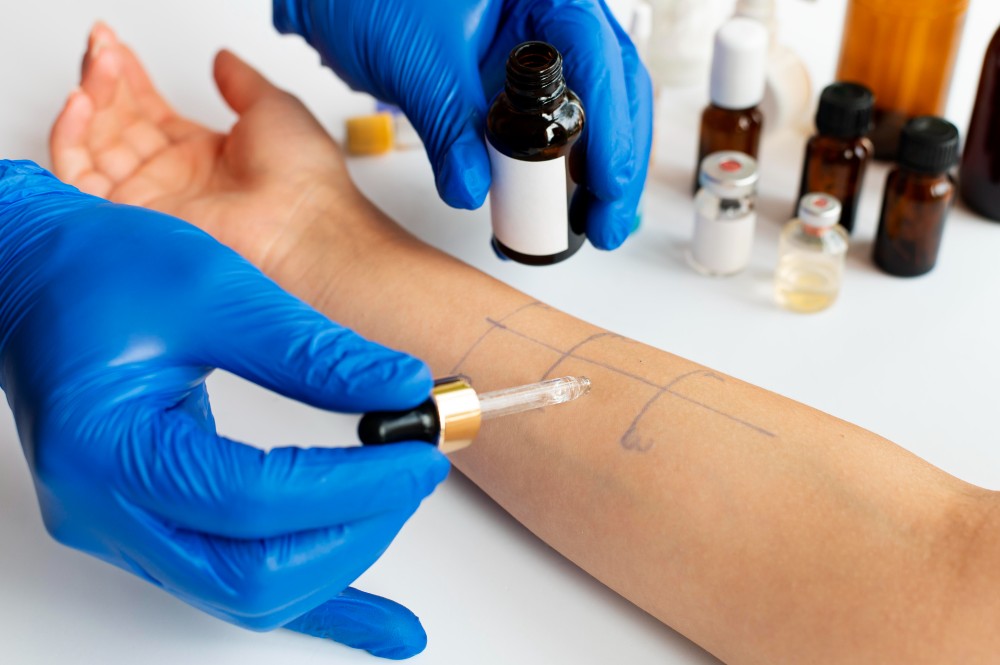
Allergy skin testing is a diagnostic method used to identify substances that may cause an allergic reaction. During testing, a qualified healthcare professional exposes the skin to small amounts of selected allergens and observes the skin’s response.
One common method is the skin prick test. During this procedure, small drops containing potential allergens are placed on the skin, usually on the forearm or back. The skin is gently pricked through each drop, allowing a small amount of the substance to enter the surface layer. If a person is sensitized to an allergen, a raised, itchy bump may develop.
Another method is intradermal testing, which involves placing a small amount of an allergen just beneath the skin. This method may be appropriate in selected circumstances, depending on the suspected allergy and the healthcare professional’s assessment.
A skin test does not independently confirm every clinical allergy. Results must be interpreted alongside the patient’s symptoms, medical history, and possible exposure to the suspected allergen.
Common Allergens Identified Through Skin Testing
People in Odessa, Texas, may experience allergy symptoms due to environmental, seasonal, or indoor allergens. Testing can help identify relevant triggers when recommended by a healthcare professional.
- Pollen: Trees, grasses, and weeds release pollen that can cause seasonal allergic rhinitis. Symptoms may include sneezing, a runny nose, congestion, and itchy eyes.
- Dust mites: These microscopic organisms commonly live in household dust, mattresses, pillows, and upholstered furniture. Their allergens can contribute to year-round nasal symptoms.
- Mold: Mold spores may be present in damp areas, poorly ventilated spaces, or outdoor environments. Sensitive individuals may develop respiratory or nasal symptoms after exposure.
- Pet dander: Proteins found in animal skin flakes, saliva, and urine can trigger symptoms in people with animal allergies.
- Other selected allergens: Depending on the patient’s history, an allergist may recommend testing for additional environmental allergens or other substances when clinically appropriate.
Not every patient needs the same panel of tests. A healthcare professional should select allergens based on symptoms, exposure history, and clinical findings.
Who Should Consider Allergy Skin Testing?
Allergy skin testing may be appropriate for individuals who experience repeated or unexplained allergy symptoms. Consider discussing an evaluation with a healthcare professional if you experience frequent sneezing, persistent nasal congestion, itchy or watery eyes, recurring hives, or symptoms that worsen after contact with certain animals or environmental substances.
Testing may also be considered when symptoms continue despite initial treatment or when identifying a specific allergen could help guide decisions about medication, environmental changes, or allergy immunotherapy.
Children and adults may both benefit from an allergy evaluation when clinically appropriate. However, skin testing is not suitable for everyone. Certain medications, skin conditions, and medical circumstances can affect the safety or interpretation of testing. A qualified provider can determine whether skin testing or a blood test is the better option.
What to Expect During an Allergy Skin Test
Knowing what happens during an appointment can help you feel more comfortable.
Step 1: Medical history and consultation. The healthcare professional reviews your symptoms, medical history, current medications, and possible allergy triggers.
Step 2: Selection of allergens. Appropriate allergens are chosen according to your symptoms and suspected exposures.
Step 3: Skin testing. The selected testing method is performed by trained personnel. For a standard skin prick test, the skin is examined for reactions after a short waiting period, commonly around 15–20 minutes.
Step 4: Review of results. The provider evaluates the skin’s response and explains what the findings may mean in relation to your symptoms.
Step 5: Personalized recommendations. Depending on the results, recommendations may include allergen avoidance, medications, additional evaluation, or referral for specialist treatment.
Before your appointment, ask the clinic whether you need to stop any medications. Antihistamines can interfere with some allergy skin tests, but you should never stop prescribed medication without guidance from your healthcare professional.
Benefits of Allergy Skin Testing in Odessa, TX
One of the main benefits of allergy skin testing is that it can help identify potential triggers instead of relying entirely on guesswork. When testing results match a patient’s symptoms and exposure history, they can support a more targeted management plan.
Identifying relevant allergens may help patients make practical changes at home or work, such as reducing dust exposure, addressing indoor moisture, or limiting contact with specific triggers. Testing can also help healthcare professionals determine whether further allergy treatment, including allergen immunotherapy, should be considered.
However, results do not guarantee that all symptoms will disappear. Some symptoms may have causes unrelated to allergies, and a positive test alone does not always mean that exposure produces noticeable symptoms. A comprehensive clinical evaluation remains essential.
Allergy Skin Testing vs. Allergy Blood Testing
Skin testing and allergy blood testing are two methods used to evaluate allergic sensitization.
Skin testing provides results relatively quickly and is commonly used to assess suspected environmental allergies. Blood testing measures allergen-specific immunoglobulin E (IgE) antibodies and may be considered when skin testing is unsuitable or when certain medications or skin conditions could interfere with results.
Neither method is universally best for every patient. The appropriate test depends on the suspected allergy, medical history, medications, and the healthcare professional’s judgment. Broad testing without a clear clinical reason can produce results that are difficult to interpret.
Managing Allergies After Testing
Once potential allergens have been identified, the next step is developing a practical management plan. Depending on your diagnosis, recommendations may include reducing exposure to relevant allergens, using appropriate medications, monitoring seasonal symptoms, and arranging follow-up appointments.
For environmental allergies, measures such as washing bedding regularly, keeping indoor spaces clean, controlling moisture, and checking local pollen conditions may help reduce exposure. Your healthcare professional may recommend antihistamines, nasal corticosteroids, or other treatments based on your specific needs.
Some patients with confirmed allergies may be candidates for allergen immunotherapy, which can involve allergy shots or, for selected allergens, under-the-tongue treatments. These options require professional assessment and are not suitable for every allergy.
Seek emergency medical attention if you develop difficulty breathing, throat or tongue swelling, fainting, or other signs of a severe allergic reaction.
Choosing an Allergy Testing Provider in Odessa, TX
When looking for allergy skin testing in Odessa TX, consider a provider’s qualifications, available testing methods, experience evaluating allergic conditions, and ability to explain results clearly. Ask whether the clinic performs testing on-site, which allergens it evaluates, and whether follow-up treatment or specialist referrals are available.
It is also helpful to confirm appointment requirements, accepted insurance plans, and preparation instructions before your visit. If a clinic does not offer allergy skin testing directly, it may be able to refer you to an appropriate allergy specialist.
Choosing a qualified healthcare professional helps ensure that testing is performed safely and that the results are interpreted in the context of your symptoms.
Conclusion
Allergy skin testing in Odessa, TX, can be a useful part of evaluating recurring sneezing, congestion, itchy eyes, skin reactions, and other symptoms that may be associated with allergies. By identifying relevant allergens, healthcare professionals can help patients understand their symptoms and explore suitable management options.
If allergies are interfering with your daily routine, consider scheduling an evaluation with a qualified healthcare provider. A personalized assessment can help determine whether skin testing, blood testing, or another diagnostic approach is appropriate for your situation.
Frequently Asked Questions (FAQs)
1. What is allergy skin testing used for?
Allergy skin testing helps identify substances that may trigger allergic reactions, including pollen, dust mites, mold, and animal dander. Results are interpreted alongside symptoms and medical history.
2. Is allergy skin testing painful?
Most people experience mild discomfort, itching, or temporary redness. Standard skin prick testing usually involves a gentle prick rather than a deep injection.
3. How long does an allergy skin test take?
The skin reaction for a standard prick test is commonly assessed after approximately 15–20 minutes. The full appointment may take longer because of consultation, preparation, and discussion of results.
4. Do I need to stop taking antihistamines before allergy testing?
Some antihistamines can affect skin test results. Ask your testing provider for specific instructions, and do not stop prescribed medications without professional guidance.
5. Can children receive allergy skin testing?
Yes, skin testing may be appropriate for children when recommended by a qualified healthcare professional. The decision depends on the child’s symptoms, medical history, and ability to complete the procedure safely.
Are recurring allergy symptoms affecting your comfort, sleep, or daily activities? Take the next step toward understanding your symptoms by scheduling an evaluation with a qualified healthcare professional in Odessa, TX. Ask about available allergy testing options and discuss a personalized plan for managing your triggers.
Visit Us: Visit a https://sccodessa.com/services/allergy/ qualified allergy care provider in Odessa, TX, to discuss your symptoms and learn whether allergy skin testing is right for you.
Contact Us: Contact your preferred local clinic +1 (432) 322-8675 to ask about allergy testing appointments, preparation instructions, insurance coverage, and available treatment options.
Book an Appointment: Schedule an allergy consultation to discuss recurring symptoms and explore appropriate diagnostic testing.
Take Control of Your Allergies: Understanding your allergy triggers can help you make informed decisions about symptom management and everyday exposure.
Your Next Step Toward Allergy Relief: Speak with a healthcare professional about testing options and a care plan tailored to your symptoms.