
Introduction
Sexual health is an important part of overall wellness, and timely testing can help prevent complications from sexually transmitted infections (STIs). Chlamydia is one of the most common bacterial sexually transmitted infections. It can affect people of any gender and often develops without noticeable symptoms. Without appropriate treatment, it may lead to serious reproductive health complications.
For individuals searching for chlamydia testing and treatment Odessa TX, understanding the available testing options, symptoms, treatment process, and prevention strategies can make seeking care easier. Whether you have symptoms, have had a recent sexual exposure, or simply want routine STI screening, a qualified healthcare provider can help you determine the next steps.
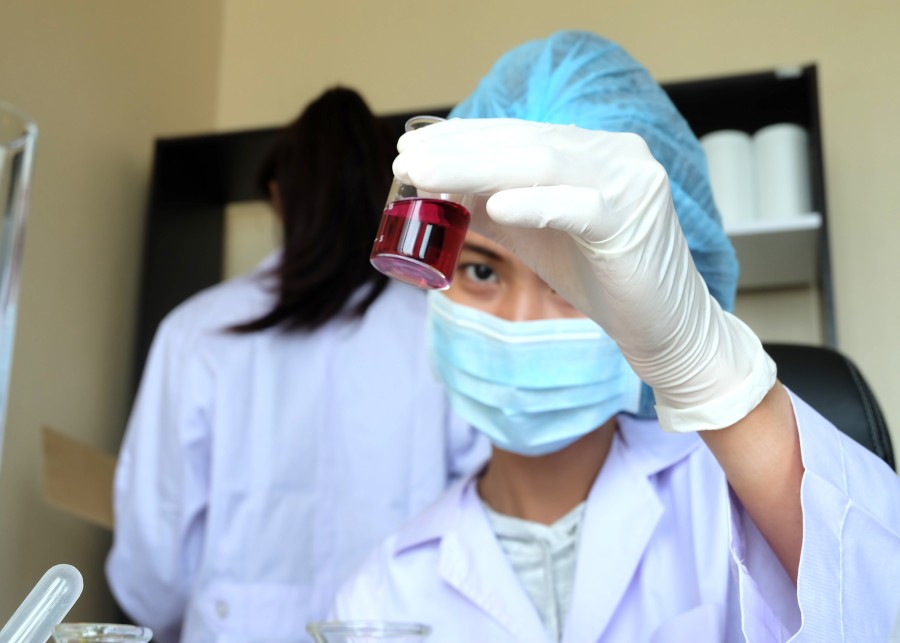
What Is Chlamydia?
Chlamydia is a bacterial infection caused by Chlamydia trachomatis. It is primarily transmitted through vaginal, anal, or oral sexual contact with an infected person. The infection can affect the cervix, urethra, rectum, and, in some cases, the throat or eyes.
One of the main challenges with chlamydia is that many people do not experience symptoms. Someone may have an infection and transmit it to a sexual partner without knowing it. Regular screening, particularly for people at increased risk, is therefore an important part of sexual healthcare.
Chlamydia is treatable with prescription antibiotics. Early diagnosis and appropriate treatment can reduce the risk of complications and help prevent further transmission.
Common Symptoms of Chlamydia
Although chlamydia frequently causes no symptoms, some people may notice changes that require medical evaluation.
Possible symptoms include:
- Pain or burning during urination.
- Unusual vaginal discharge.
- Discharge from the penis.
- Lower abdominal or pelvic pain.
- Pain during sexual intercourse.
- Bleeding between menstrual periods or after sex.
- Testicular pain or swelling.
- Rectal pain, discharge, or bleeding following rectal infection.
Symptoms may appear several weeks after exposure, but some people never develop noticeable signs. These symptoms can also occur with other infections or medical conditions, so testing is necessary to identify the cause.
If you experience severe pelvic pain, sudden testicular pain, fever with significant abdominal pain, or other severe symptoms, seek urgent medical evaluation.
Why Get Chlamydia Testing in Odessa, TX?
Testing is the most reliable way to determine whether you have chlamydia. Waiting for symptoms can delay diagnosis because an infection may remain unnoticed.
People may benefit from testing if they have a new sexual partner, multiple partners, a partner diagnosed with an STI, symptoms of a possible infection, or a recent sexual exposure that concerns them. Sexually active women younger than 25 and older women with increased risk factors are generally recommended to receive routine screening. Screening recommendations for other groups depend on individual risk, sexual practices, and clinical guidance.
When searching for chlamydia testing Odessa TX, consider a healthcare provider that offers appropriate STI screening, explains the testing process, protects patient privacy, and provides follow-up care when needed.
Testing is a responsible health decision, not something to feel embarrassed about. Healthcare professionals routinely evaluate and treat sexually transmitted infections.
How Does Chlamydia Testing Work?
Chlamydia testing is usually straightforward. Healthcare professionals commonly use a nucleic acid amplification test (NAAT), which detects the genetic material of the bacteria.
Depending on your symptoms and exposure history, testing may involve:
Urine testing: A urine sample can be used to test for chlamydia, particularly for people with possible urethral infection.
Swab testing: A healthcare professional may collect a vaginal, cervical, rectal, or throat swab depending on the person’s anatomy and the sites exposed during sexual activity.
Your provider will determine which samples are appropriate. A urine test alone may not detect an infection at other sites, so tell your healthcare professional about the types of sexual contact you have had.
Test timing also matters. If exposure was very recent, an initial negative result may not always exclude infection. Ask your provider whether repeat testing is appropriate based on the date of exposure and the test performed.
Chlamydia Treatment in Odessa, TX
Chlamydia can usually be cured with prescription antibiotics. The medication and duration depend on individual circumstances, including pregnancy status, infection site, allergies, and other medical considerations.
Doxycycline is a commonly recommended treatment for nonpregnant adults. Alternative regimens, including azithromycin in certain circumstances, may be appropriate when recommended by a healthcare professional. Pregnant patients require a pregnancy-appropriate regimen prescribed by their provider.
For effective chlamydia treatment Odessa TX, follow these essential steps:
- Take the prescribed medication exactly as directed.
- Complete the entire treatment course.
- Avoid sexual activity until you and your partner or partners have completed the recommended treatment waiting period. With a seven-day regimen, this generally means waiting until the course is completed; follow your clinician’s instructions for other regimens.
- Inform recent sexual partners so they can receive evaluation and treatment.
- Return for follow-up testing when recommended.
Do not use leftover antibiotics or medication prescribed to another person. Incorrect treatment may fail to cure the infection or cause other problems.
Most nonpregnant people do not need an immediate test of cure after recommended treatment unless adherence is uncertain, symptoms persist, or reinfection is suspected. Pregnant patients are generally advised to have a test of cure approximately four weeks after completing treatment.
Why Partner Treatment and Retesting Matter
Treating chlamydia involves more than taking medication. Sexual partners may also be infected, even if they feel completely healthy. Recent partners, commonly those from the preceding 60 days, should be evaluated, tested, and treated as recommended by a healthcare professional.
Avoiding sexual activity until treatment requirements have been met helps prevent reinfection and transmission. Even after successful treatment, a person can become infected again.
Retesting approximately three months after treatment is generally recommended because repeat infections are common. If you cannot return at that time, arrange testing at your next healthcare visit within the recommended period.
How to Reduce Your Risk of Chlamydia
Prevention starts with informed decisions and regular sexual healthcare. Consider these measures:
- Use condoms correctly and consistently.
- Discuss STI testing with new sexual partners.
- Get screened according to your age, sexual activity, and risk factors.
- Avoid sexual contact until you and an infected partner have completed treatment.
- Seek medical advice promptly after a possible exposure.
- Consider testing for other STIs when recommended by your healthcare provider.
Open communication and regular screening can help protect both your health and your partners’ health.
Finding Sexual Health Services in Odessa, TX
If you need STI screening, look for a healthcare facility that can assess your symptoms, recommend appropriate laboratory testing, prescribe treatment when indicated, and explain follow-up recommendations.
Before visiting a clinic, confirm its current services, appointment availability, laboratory testing options, fees, and confidentiality policies. Not every clinic offers every type of STI test or treatment.
If you are considering a local healthcare provider, contact the facility directly to determine whether it offers chlamydia testing and treatment or can refer you to an appropriate service.
Frequently Asked Questions (FAQs)
1. Where can I get chlamydia testing in Odessa, TX?
You can contact local medical clinics, sexual health providers, or public health services to ask about chlamydia testing. Confirm that the facility offers the test you need and ask about costs, appointments, and confidentiality.
2. Can I have chlamydia without symptoms?
Yes. Many people with chlamydia do not experience noticeable symptoms. Testing is important if you have had a potential exposure or meet screening recommendations.
3. Is chlamydia curable?
Yes. Chlamydia is generally curable with appropriate prescription antibiotics. Taking medication exactly as prescribed and ensuring partners receive treatment can reduce the risk of reinfection.
4. How long does chlamydia treatment take?
Treatment duration depends on the prescribed medication. Some regimens involve taking medication for seven days, while alternatives may involve a different schedule. Follow your healthcare professional’s instructions.
5. How soon after exposure should I get tested?
The appropriate timing depends on the exposure and test used. Contact a healthcare professional promptly rather than waiting for symptoms. They can advise whether to test now and whether repeat testing is needed after a recent exposure.
Do not ignore possible STI symptoms or delay testing after a potential exposure. Early diagnosis can help you receive appropriate treatment, reduce the risk of complications, and protect your sexual partners.
If you are searching for chlamydia testing and treatment Odessa TX, contact a qualified healthcare provider to discuss your concerns, testing options, and next steps. Make sexual health screening part of your regular healthcare routine.
Visit Us: Looking for sexual health information and STI testing options in Odessa, TX? Visit a https://sccodessa.com/services/sti-and-std-clinic-services/ qualified local healthcare provider to learn about available chlamydia screening and treatment services.
Contact Us: Have questions about chlamydia testing, symptoms, or treatment? Contact a +1 (432) 322-8675 healthcare clinic to discuss your concerns, appointment options, testing costs, and follow-up care.
Schedule Your Appointment: Take the next step toward better sexual health. Arrange a consultation with a qualified healthcare professional for personalized testing and treatment guidance.
Your Health Matters: Confidentiality, timely testing, and appropriate treatment are important parts of sexual wellness. Reach out to a healthcare provider to find the care that meets your needs.