
Introduction
A herniated disc is a common spinal condition that can cause back pain, neck pain, numbness, tingling, and muscle weakness. It occurs when the soft inner material of a spinal disc pushes through a weakened or damaged outer layer. Depending on its location, a herniated disc may irritate nearby nerves and affect daily activities such as walking, sitting, bending, lifting, or sleeping.
Understanding herniated disc diagnosis and treatment is essential for choosing the right care and preventing symptoms from interfering with everyday life. Many patients improve with conservative treatments, while others may require specialized procedures or surgery. Early evaluation by a qualified healthcare professional can help identify the cause of symptoms and develop an appropriate treatment plan.
What Is a Herniated Disc?
The spine consists of vertebrae separated by intervertebral discs that act as cushions and help the back move comfortably. Each disc has a tough outer layer and a soft, gel-like center. When the outer layer weakens or develops a tear, some of the inner material may protrude outward, resulting in a herniated disc.
This condition commonly develops in the lumbar spine, or lower back, and the cervical spine, or neck. A lumbar herniated disc can cause pain that travels down the buttocks and legs, a condition commonly known as sciatica. A cervical herniated disc may cause pain that radiates into the shoulder, arm, or hand.
Herniated discs can occur because of age-related disc degeneration, repetitive strain, improper lifting, sudden injuries, or other factors. However, some people have a herniated disc without experiencing noticeable symptoms.
Common Symptoms of a Herniated Disc
Symptoms depend on the disc’s location and whether nearby nerves are compressed or irritated. Some people experience mild discomfort, while others develop pain that affects mobility and quality of life.
Common symptoms include persistent neck or lower back pain, sharp or burning pain that travels into an arm or leg, numbness or tingling in the hands or feet, muscle weakness, and discomfort that worsens with certain movements, coughing, or sneezing.
A herniated disc does not always cause severe pain. Diagnostic evaluation is particularly important when symptoms persist, worsen, or interfere with normal activities.
Seek emergency medical care immediately if you develop new difficulty controlling your bladder or bowels, inability to urinate, numbness around the groin or saddle area, or rapidly worsening leg weakness. These symptoms may indicate serious nerve compression that requires urgent assessment.
How Is a Herniated Disc Diagnosed?
Accurate diagnosis is the first step toward effective herniated disc treatment. A healthcare provider considers your symptoms, medical history, physical examination findings, and the results of additional tests when necessary.
1. Medical History and Symptom Review
The diagnostic process usually begins with questions about when the pain started, where it occurs, whether it radiates into the arms or legs, and what makes it better or worse. Your provider may also ask about previous injuries, physical activities, occupation, and any history of spinal conditions.
This information helps distinguish a possible herniated disc from other causes of back and neck pain.
2. Physical and Neurological Examination
During the examination, a healthcare professional may assess spinal movement, posture, muscle strength, sensation, reflexes, and walking ability. Specific movement tests may help determine whether a spinal nerve is irritated.
These findings can help identify the likely location of the problem and whether further diagnostic testing is appropriate.
3. Imaging Tests
Imaging is not necessary for every patient with back pain. When symptoms are persistent, severe, or associated with neurological changes, a provider may recommend additional tests.
- MRI scan: Magnetic resonance imaging provides detailed views of spinal discs, nerves, and surrounding soft tissues. It is often the preferred imaging test when a herniated disc is suspected and imaging is clinically indicated.
- CT scan: Computed tomography provides detailed images of spinal structures and may be useful in selected situations, particularly when MRI is unsuitable.
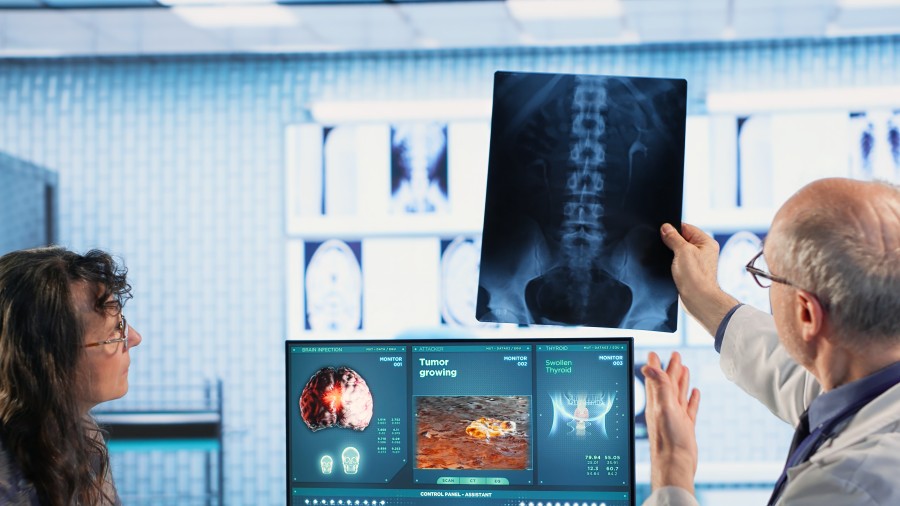
- X-rays: X-rays can show bones, alignment, and certain structural changes, but they generally cannot directly demonstrate a herniated disc.
- Electromyography (EMG): In selected cases, this test evaluates electrical activity in muscles and may help identify nerve dysfunction or distinguish between possible causes of symptoms.
Test selection depends on your symptoms and examination results. Imaging findings must be interpreted alongside clinical symptoms because a disc abnormality on a scan does not necessarily mean it is causing pain.
Herniated Disc Diagnosis and Treatment Options
Treatment depends on symptom severity, the affected spinal region, neurological findings, and how long the symptoms have lasted. Most patients without serious neurological complications begin with nonsurgical care.
1. Medication and Pain Management
Healthcare professionals may recommend appropriate pain-relieving or anti-inflammatory medications to help manage discomfort. Depending on individual circumstances, other medicines may sometimes be considered for specific symptoms.
Medication choices should account for allergies, existing medical conditions, potential side effects, and interactions with other medicines. Patients should consult a qualified healthcare professional before starting or changing medication.
2. Physical Therapy and Guided Exercises
Physical therapy is an important part of recovery for many patients. A physical therapist can develop an individualized program that may include gentle mobility exercises, stretching, strengthening, posture training, and techniques to improve movement.
The goal is to reduce discomfort, support spinal function, and help patients return safely to normal activities. Exercises should be adapted to the patient’s symptoms, and movements that significantly worsen radiating pain or weakness should be discussed with a healthcare professional.
3. Activity Modification and Lifestyle Changes
Short periods of relative rest may help during a painful flare-up, but prolonged bed rest is generally discouraged. Gradually returning to comfortable daily activities can support recovery.
Patients may benefit from improving lifting techniques, avoiding repeated movements that aggravate symptoms, maintaining appropriate physical activity, and addressing weight-related strain when relevant. A clinician can provide guidance tailored to the affected disc and the patient’s daily routine.
4. Injection-Based Treatments
For selected patients with persistent radiating pain, a specialist may consider an epidural steroid injection. This procedure delivers medication near irritated spinal nerves to help reduce inflammation and pain.
Injections do not repair the disc itself, and their benefits vary. They are usually considered alongside rehabilitation and other treatments rather than as a permanent solution.
5. Herniated Disc Surgery
Surgery may be considered when severe symptoms continue despite an appropriate trial of nonsurgical treatment or when significant neurological problems require surgical evaluation.
One common procedure is a discectomy, which removes the portion of the disc that is pressing on a nerve. Depending on the condition, a surgeon may recommend a minimally invasive technique or another appropriate procedure.
Surgery is not necessary for every herniated disc. Decisions should be based on symptoms, examination findings, imaging results, potential benefits, and risks. New bladder or bowel dysfunction, saddle numbness, or rapidly progressing weakness requires emergency assessment rather than waiting for routine treatment.
Why Choose Specialized Spine Care?
Managing a herniated disc may require coordinated care from primary care providers, physical therapists, pain management specialists, and spine surgeons. A personalized approach helps ensure that treatment addresses the actual source of symptoms rather than relying on imaging results alone.
A qualified specialist can explain diagnostic findings, review available treatments, discuss expected recovery, and help determine when further evaluation is needed. Patients should also understand that recovery varies, and some herniated discs improve gradually over several weeks without surgery.
Conclusion
Herniated disc diagnosis and treatment involve identifying the affected spinal disc, determining whether nerves are involved, and selecting the most appropriate care. Medical history, physical examinations, and selective imaging help guide the diagnostic process. Treatment may include medication, physical therapy, activity modification, injections, or surgery for appropriately selected patients.
If you experience ongoing back pain, neck pain, numbness, tingling, or radiating discomfort, consult a qualified healthcare professional for an individualized evaluation. Prompt assessment can help you understand your options and take informed steps toward improved mobility and comfort.
Frequently Asked Questions (FAQs)
1. How is a herniated disc diagnosed?
A herniated disc is evaluated through a medical history, physical and neurological examination, and imaging such as an MRI when clinically indicated. Additional tests may be recommended depending on the symptoms.
2. What is the best treatment for a herniated disc?
Treatment depends on symptom severity and nerve involvement. Many patients improve with nonsurgical care, including physical therapy, appropriate medication, and activity modification. Some may benefit from injections or surgery.
3. Can a herniated disc heal without surgery?
Yes. Many herniated discs improve over time without surgery as inflammation decreases and the body gradually reabsorbs some of the displaced disc material. Recovery varies from person to person.
4. How long does it take to recover from a herniated disc?
Some patients notice improvement within a few weeks, while others require several months. Recovery depends on the disc’s location, symptom severity, overall health, and treatment approach.
5. When should I see a herniated disc specialist?
Consider an evaluation if back or neck pain persists, radiates into an arm or leg, causes numbness or weakness, or interferes with everyday activities. Seek emergency care for new bladder or bowel dysfunction, saddle numbness, or rapidly worsening weakness.
Are you experiencing persistent back pain, neck pain, or discomfort that radiates into your arms or legs? Do not ignore symptoms that may require professional evaluation. Schedule an appointment with a qualified healthcare provider to discuss herniated disc diagnosis and treatment options that suit your needs.
Take the next step toward better spinal health by seeking professional guidance today.
Visit Us: Visit our clinic https://sccodessa.com/ to learn more about available evaluation and treatment options for back pain, neck pain, and spinal conditions. Our healthcare team can help you understand the next steps for your care.
Contact Us: Contact us at +1 (432) 322-8676 today to schedule an appointment, discuss your symptoms, and learn about appropriate diagnostic and treatment options for a suspected herniated disc.
Your Health Matters: Early evaluation and a personalized care plan can help you manage spinal symptoms and work toward a safer, more comfortable return to daily activities.