
Knee pain can affect people of all ages and may develop gradually or occur suddenly after an injury. Whether you are experiencing discomfort while walking, stiffness after sitting, swelling following exercise, or pain caused by an accident, getting an accurate diagnosis is an important first step toward recovery. If you are searching for a knee pain doctor in Odessa TX, an orthopedic or musculoskeletal specialist can evaluate your symptoms and recommend an appropriate treatment plan.
Knee problems can involve bones, cartilage, ligaments, tendons, muscles, or the surrounding tissues. Odessa has orthopedic and sports medicine providers that evaluate conditions ranging from arthritis and sports injuries to ligament and cartilage problems. Local orthopedic practices also offer both nonsurgical and surgical treatment options depending on the patient’s condition.
Common Causes of Knee Pain
Knee pain does not have one single cause. Understanding what may be contributing to your symptoms can help you know when professional evaluation is appropriate.
1. Osteoarthritis
Osteoarthritis is a common cause of ongoing knee discomfort, particularly as people age. Wear and changes within the joint can lead to pain, stiffness, reduced flexibility, and difficulty with activities such as walking or climbing stairs.
2. Sports and Exercise Injuries
Athletes and active individuals may develop knee injuries from running, jumping, twisting, or direct impact. ACL injuries, MCL injuries, meniscus tears, sprains, strains, and tendon problems are among the orthopedic conditions that may affect the knee.
3. Ligament or Cartilage Injuries
Ligaments help stabilize the knee, while cartilage helps provide smooth movement and cushioning. An injury to these structures may result in pain, swelling, instability, clicking, or difficulty putting weight on the affected leg.
4. Overuse
Repeated activities can place stress on the knee. Running, squatting, kneeling, sports, and physically demanding work may contribute to overuse-related discomfort.
5. Previous Injuries
A previous knee injury can sometimes contribute to recurring symptoms or long-term joint problems. If pain continues after an injury or repeatedly returns, professional evaluation may help determine the underlying problem.
When Should You See a Knee Pain Doctor?
Not every episode of knee discomfort requires immediate specialist care. However, you should consider making an appointment if your pain persists, keeps returning, interferes with normal activities, or develops after an injury.
Professional evaluation may be particularly helpful when you experience:
- Persistent or worsening knee pain
- Significant swelling
- Knee stiffness or reduced range of motion
- Difficulty walking or bearing weight
- A feeling that the knee is unstable
- Pain during sports or exercise
- Repeated clicking, locking, or catching
- Symptoms following a fall, collision, or twisting injury
Severe injuries, major deformity, inability to bear weight, or other serious symptoms may require prompt medical attention.
What Happens During a Knee Evaluation?
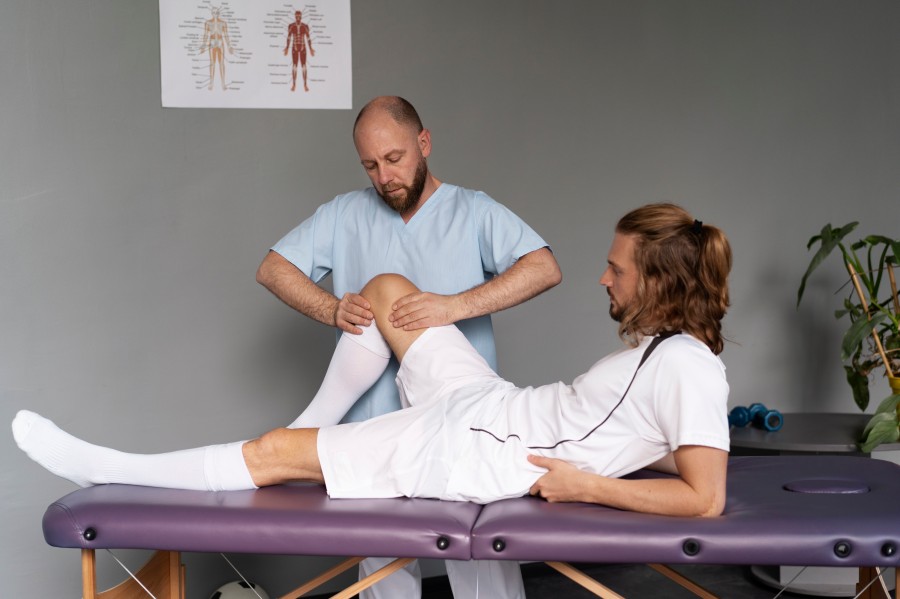
A knee pain doctor in Odessa TX will typically begin by asking about your symptoms, medical history, activities, and any injury that may have caused the problem. A physical examination can help assess swelling, tenderness, movement, strength, stability, and how the knee functions.
Depending on your symptoms, your provider may recommend diagnostic imaging. Orthopedic providers in Odessa use diagnostic techniques and imaging such as X-rays, CT scans, or MRI studies when appropriate to help identify the source of musculoskeletal pain.
The goal is not simply to treat pain temporarily but to determine what is causing it and develop a treatment approach suited to your condition.
Knee Pain Treatment Options in Odessa TX
Treatment depends on the underlying cause, severity of symptoms, overall health, and personal goals. Many knee problems can initially be managed without surgery.
1. Rest and Activity Modification
Temporarily reducing activities that aggravate your knee may help reduce stress on the joint. Your provider can help determine which activities are appropriate while you recover.
2. Physical Therapy
Physical therapy can help improve strength, flexibility, balance, movement, and joint function. Rehabilitation programs may be customized according to the specific injury or condition. Odessa physical therapy providers treat orthopedic injuries, ligament disorders, joint conditions, and sports injuries.
3. Bracing and Support
Depending on the condition, a knee brace or other supportive device may help stabilize the joint and make certain activities more comfortable.
4. Medication and Injections
A healthcare provider may recommend medications or other pain-management approaches when appropriate. Some orthopedic practices also offer treatments such as ultrasound-guided injections and platelet-rich plasma therapy for selected patients.
5. Surgery
Surgery is not necessary for every knee problem. However, certain severe injuries or advanced joint conditions may require a surgical approach. Procedures can include arthroscopy, ligament reconstruction, cartilage procedures, partial knee replacement, or total knee replacement depending on the diagnosis.
Odessa orthopedic providers offer both minimally invasive procedures and joint replacement services for appropriate patients.
Why Personalized Knee Care Matters
Knee pain can have different causes, so treatment that works for one person may not be appropriate for another. A personalized evaluation helps your healthcare provider consider your symptoms, activity level, physical examination findings, imaging results, and recovery goals.
For example, treatment for a sports-related ligament injury may differ considerably from treatment for arthritis-related knee pain. Similarly, someone recovering from surgery may need a structured rehabilitation program focused on gradually restoring strength and mobility.
Choosing a qualified knee pain doctor in Odessa TX can help you understand your options and make informed decisions about your care.
How to Help Protect Your Knees
Although not every knee problem can be prevented, healthy habits may support joint function and reduce unnecessary stress.
Consider:
- Warming up before strenuous exercise
- Increasing physical activity gradually
- Strengthening the muscles around your hips and legs
- Maintaining a healthy activity routine
- Using appropriate footwear
- Learning proper techniques for sports and exercise
- Taking breaks from repetitive activities
- Following rehabilitation instructions after an injury
If knee pain continues despite these measures, professional evaluation is recommended.
Choose the Right Knee Pain Care in Odessa TX
Living with ongoing knee pain can make everyday activities more difficult, but you do not have to ignore persistent symptoms. From arthritis and sports injuries to ligament problems and chronic joint discomfort, an appropriate evaluation can help identify the cause and guide treatment.
Local orthopedic practices in Odessa provide comprehensive care for knee conditions, including conservative treatments, rehabilitation, injections, arthroscopic procedures, and joint replacement when medically appropriate.
If you are looking for a knee pain doctor Odessa TX, schedule an evaluation to discuss your symptoms and treatment options.
Frequently Asked Questions (FAQs)
1. What type of doctor treats knee pain?
An orthopedic doctor or orthopedic surgeon commonly evaluates knee pain, injuries, arthritis, ligament problems, cartilage injuries, and other musculoskeletal conditions. Primary care providers and physical therapists may also play important roles in evaluation and treatment.
2. When should I see a knee pain doctor in Odessa TX?
Consider seeing a doctor if knee pain persists, worsens, repeatedly returns, limits movement, causes swelling, or interferes with walking, work, exercise, or daily activities.
3. Does knee pain always require surgery?
No. Many knee conditions can initially be treated with conservative approaches such as activity modification, physical therapy, bracing, medication, or injections when appropriate. Surgery may be considered when other treatments do not adequately address certain conditions.
4. Can physical therapy help knee pain?
Physical therapy may help improve strength, flexibility, range of motion, balance, and functional movement. A therapist can develop exercises based on your particular condition and recovery goals.
5. What tests may be used to diagnose knee pain?
Depending on your symptoms, a provider may use a physical examination and imaging such as X-rays, MRI, or CT scans. The appropriate test depends on the suspected cause of your knee problem.
Don’t let knee pain keep you from the activities you enjoy. Visit us to learn more about personalized knee pain care in Odessa TX.
Looking for reliable knee pain treatment in Odessa TX? Visit us today and discuss your symptoms with a qualified healthcare professional.
Your mobility matters. Visit us for evaluation and personalized treatment options designed around your knee health needs.
If knee pain is affecting your mobility, exercise, work, or everyday life, it may be time to seek professional care. Visit us https://sccodessa.com/services/primary-care/ today for a comprehensive evaluation and learn about treatment options that may be appropriate for your condition.
Contact us at +1 (432) 322-8676 to schedule an appointment and take the first step toward better knee health and improved mobility.