In today’s interconnected world, infectious disease testing has become one of the most important tools in modern healthcare. Infectious diseases caused by viruses, bacteria, fungi, or parasites can spread quickly if left undiagnosed. Early and accurate testing helps healthcare providers identify infections promptly, begin the right treatment, and reduce the risk of spreading illness to others. Whether you’re experiencing symptoms, have been exposed to an infectious disease, or require testing before travel or medical procedures, timely diagnosis can significantly improve health outcomes.
At SCC Odessa, we provide comprehensive infectious disease testing services using advanced diagnostic technology to deliver fast, reliable, and accurate results. Our experienced medical team is committed to helping patients receive personalized care for a wide range of infectious conditions.
What Is Infectious Disease Testing?
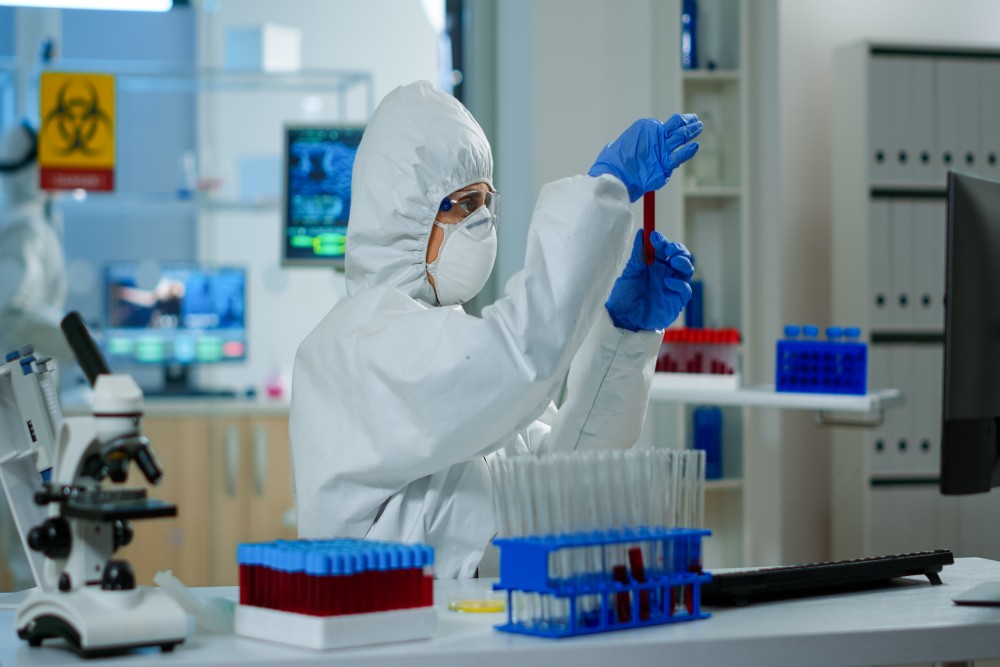
Infectious disease testing refers to laboratory tests designed to detect microorganisms that cause infections. These tests identify viruses, bacteria, fungi, or parasites present in the body, allowing healthcare providers to determine the exact cause of illness.
Testing may involve:
- Blood tests
- Urine analysis
- Nasal or throat swabs
- Stool testing
- Saliva samples
- Tissue or wound cultures
The type of test recommended depends on your symptoms, medical history, and potential exposure to infectious diseases.
Why Infectious Disease Testing Is Important
Many infectious diseases share similar symptoms, making it difficult to diagnose them based solely on physical examination. Laboratory testing provides confirmation, enabling healthcare providers to prescribe targeted treatments instead of relying on guesswork.
Benefits of infectious disease testing include:
- Early disease detection
- Accurate diagnosis
- Faster treatment
- Prevention of complications
- Reduced disease transmission
- Better infection control
- Improved patient outcomes
- Peace of mind through reliable results
Prompt diagnosis also helps public health officials monitor outbreaks and implement preventive measures.
Common Conditions Diagnosed Through Infectious Disease Testing
Healthcare providers use infectious disease testing to diagnose many illnesses, including:
1. Viral Infections
Common viral infections include:
- COVID-19
- Influenza (Flu)
- Hepatitis A, B, and C
- HIV
- Respiratory Syncytial Virus (RSV)
- Mononucleosis
- Herpes Simplex Virus (HSV)
Early detection allows patients to begin treatment quickly and reduce transmission to others.
2. Bacterial Infections
Testing helps diagnose bacterial infections such as:
- Strep throat
- Tuberculosis (TB)
- Lyme disease
- Urinary tract infections (UTIs)
- Pneumonia
- Salmonella
- Sexually transmitted infections (STIs)
Many bacterial infections respond well to antibiotics when diagnosed early.
3. Fungal Infections
Fungal infections may affect the skin, lungs, or bloodstream. Laboratory testing identifies the specific fungus responsible for the infection, helping physicians recommend appropriate antifungal medications.
4. Parasitic Infections
Parasites may enter the body through contaminated food, water, insect bites, or travel to certain regions. Testing can identify conditions such as:
- Giardia
- Malaria
- Pinworm infections
- Amoebiasis
- Toxoplasmosis
Who Should Consider Infectious Disease Testing?
Your healthcare provider may recommend infectious disease testing if you:
- Have fever or persistent illness
- Experience unexplained fatigue
- Develop skin rashes
- Have persistent cough
- Experience severe diarrhea
- Have traveled internationally
- Were exposed to someone with an infectious disease
- Need pre-surgical screening
- Require employment or school testing
- Have a weakened immune system
Routine screening may also be recommended for individuals with chronic medical conditions or those at higher risk of infection.
Types of Infectious Disease Tests
Several testing methods are available depending on the suspected infection.
1. Blood Tests
Blood testing detects antibodies, antigens, or the infectious organism itself. These tests are commonly used for HIV, hepatitis, Lyme disease, and bloodstream infections.
2. PCR Testing
Polymerase Chain Reaction (PCR) testing identifies genetic material from viruses or bacteria. PCR testing is highly accurate and widely used for COVID-19, influenza, RSV, and other infections.
3. Rapid Antigen Tests
Rapid tests provide quick results for selected infections, making them useful in urgent care settings.
4. Culture Testing
Laboratory cultures grow bacteria or fungi from collected samples, helping identify the exact organism responsible for infection and determine which antibiotics are most effective.
5. Antibody Testing
Antibody tests determine whether the immune system has responded to a previous or current infection.
Benefits of Early Infectious Disease Testing
Seeking medical evaluation promptly offers several advantages:
1. Faster Treatment
Early diagnosis allows physicians to begin medications before infections worsen.
2. Reduced Spread
Identifying contagious diseases quickly helps protect family members, coworkers, classmates, and the community.
3. Lower Risk of Complications
Untreated infections may lead to hospitalization or long-term health problems. Early treatment often prevents serious complications.
4. Personalized Care
Accurate testing enables healthcare providers to recommend treatments based on the specific infection rather than using broad-spectrum medications unnecessarily.
How to Prepare for Infectious Disease Testing
Preparation depends on the test ordered. Your provider may ask you to:
- Fast before certain blood tests
- Avoid antibiotics before cultures if medically appropriate
- Provide accurate travel history
- Share recent exposures
- Bring a list of medications
- Follow sample collection instructions carefully
Always discuss any questions with your healthcare provider before testing.
Infectious Disease Prevention Tips
While testing is essential, prevention remains the best defense against many infectious diseases.
Simple preventive measures include:
- Wash hands frequently
- Stay up to date on vaccinations
- Practice safe food handling
- Avoid close contact with sick individuals
- Cover coughs and sneezes
- Disinfect frequently touched surfaces
- Drink clean water
- Practice safe travel precautions
- Seek medical care when symptoms develop
These habits can significantly reduce your risk of infection.
Why Choose SCC Odessa?
At SCC Odessa, we are dedicated to providing reliable infectious disease testing using advanced laboratory technology and compassionate patient care. Our experienced healthcare professionals evaluate your symptoms, recommend appropriate diagnostic tests, explain your results clearly, and develop personalized treatment plans tailored to your needs.
Whether you require routine screening, travel-related testing, workplace testing, or evaluation for ongoing symptoms, our team is here to help you receive timely, accurate, and comprehensive care.
Conclusion
Infectious disease testing is a critical part of protecting your health and preventing the spread of illness. Early diagnosis allows healthcare providers to identify infections quickly, begin appropriate treatment, and reduce the risk of complications. If you’re experiencing symptoms, have recently been exposed to an infectious disease, or simply want peace of mind through professional screening, timely testing is one of the smartest healthcare decisions you can make.
SCC Odessa is committed to delivering accurate testing, expert medical guidance, and compassionate care to help you stay healthy every step of the way.
Frequently Asked Questions (FAQs)
1. What is infectious disease testing?
Infectious disease testing includes laboratory tests used to identify viruses, bacteria, fungi, or parasites that cause illness.
2. When should I get tested for an infectious disease?
You should seek testing if you have symptoms of infection, recent exposure to a contagious illness, travel-related concerns, or your healthcare provider recommends screening.
3. How long does infectious disease testing take?
Some rapid tests provide results within minutes, while laboratory-based tests may take one to several days depending on the type of analysis.
4. Is infectious disease testing accurate?
Yes. Modern laboratory testing, including PCR and culture-based methods, offers high accuracy when performed correctly.
5. Do I need a doctor’s referral?
Requirements vary by clinic and test type. Many infectious disease screening services are available through healthcare providers without extensive referrals.
6. Can infectious disease testing detect COVID-19, flu, and RSV?
Yes. Many healthcare facilities offer respiratory panels that can identify COVID-19, influenza, RSV, and other respiratory infections.
Don’t wait for symptoms to become serious. Schedule your Infectious Disease Testing at SCC Odessa today. Our experienced healthcare providers offer fast, accurate diagnostic testing and personalized treatment plans to protect your health and your loved ones. Visit us today or contact our team to book your appointment.
- Protect your health with fast and accurate Infectious Disease Testing at SCC Odessa.
- Visit us https://sccodessa.com/services/sti-and-std-clinic-services/ today for comprehensive infectious disease screening and personalized medical care.
- Contact +1 (432) 322-8675 SCC Odessa to schedule your appointment and receive trusted diagnostic services.
- Early testing leads to early treatment—visit our clinic today for expert healthcare you can rely on.
- Your health is our priority. Visit SCC Odessa and contact our team for professional infectious disease testing and compassionate care.