
Understanding Sciatica
Sciatica is a common condition that occurs when the sciatic nerve, the longest nerve in the body, becomes irritated or compressed. This nerve extends from the lower back through the hips and buttocks and down each leg. When pressure is placed on the nerve, it can cause pain, numbness, tingling, and weakness in the lower back, buttocks, and legs. Fortunately, modern sciatica treatment options can help relieve discomfort and restore mobility.
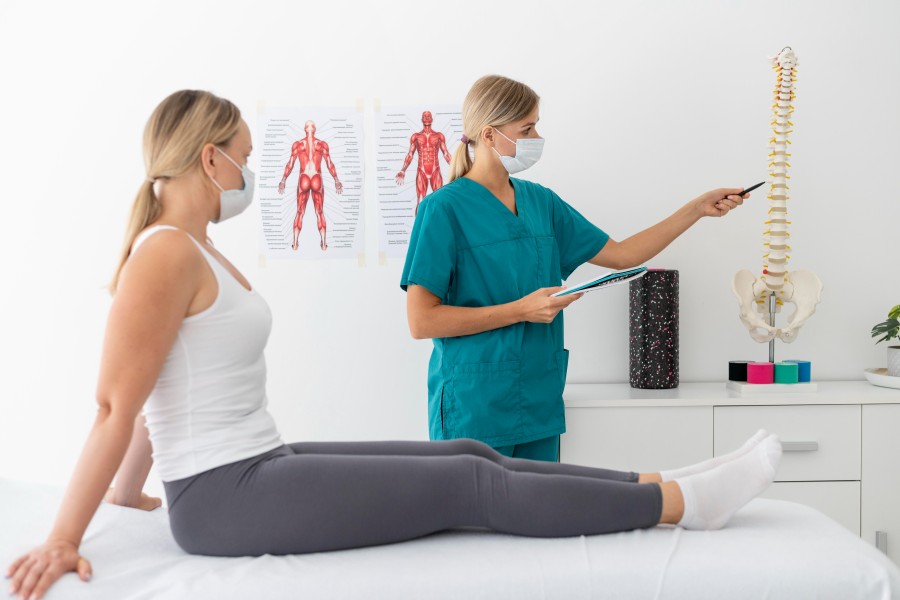
Common Causes of Sciatica
Sciatica is often caused by underlying spinal conditions that place pressure on the sciatic nerve. Some of the most common causes include:
- Herniated or slipped discs
- Spinal stenosis
- Degenerative disc disease
- Bone spurs
- Piriformis syndrome
- Injury or trauma to the lower back
- Pregnancy-related pressure on the sciatic nerve
Understanding the root cause is important because effective sciatica treatment depends on identifying the source of nerve compression.
Symptoms of Sciatica
Sciatica symptoms can vary from mild discomfort to severe pain. Common symptoms include:
- Sharp pain radiating from the lower back to the leg
- Tingling or burning sensations
- Numbness in the leg or foot
- Muscle weakness
- Difficulty standing or walking
- Pain that worsens with sitting
If symptoms persist for several weeks or interfere with daily activities, medical evaluation is recommended.
Effective Sciatica Treatment Options
1. Physical Therapy
Physical therapy is one of the most effective non-surgical sciatica treatment methods. A trained therapist can create exercises that strengthen the lower back, core, and leg muscles while improving flexibility. These exercises help reduce pressure on the sciatic nerve and prevent future flare-ups.
2. Medications
Over-the-counter pain relievers and anti-inflammatory medications are commonly used to reduce pain and swelling. In some cases, healthcare providers may prescribe stronger medications or muscle relaxants for short-term relief.
3. Hot and Cold Therapy
Applying cold packs during the first few days of symptoms can reduce inflammation. Afterward, heat therapy can help relax muscles and improve blood flow to the affected area. Combining both methods is often beneficial for sciatica pain relief.
4. Lifestyle Modifications
Simple lifestyle changes can significantly improve recovery. Maintaining proper posture, avoiding prolonged sitting, staying physically active, and using ergonomic furniture can reduce strain on the lower back and sciatic nerve.
5. Chiropractic Care
Many patients find relief through chiropractic adjustments that help improve spinal alignment. Proper alignment can reduce pressure on the sciatic nerve and support long-term recovery.
6. Epidural Steroid Injections
For severe or persistent symptoms, doctors may recommend epidural steroid injections. These injections help reduce inflammation around the nerve roots and provide temporary pain relief while other treatments take effect.
7. Surgical Treatment
Surgery is generally considered only when conservative treatments fail or when significant nerve damage occurs. Procedures such as microdiscectomy or laminectomy may be recommended to remove the source of nerve compression.
Exercises That Support Sciatica Recovery
Regular movement plays an important role in sciatica treatment. Beneficial exercises may include:
- Hamstring stretches
- Knee-to-chest stretches
- Pelvic tilts
- Walking
- Gentle yoga poses
- Core strengthening exercises
Always consult a healthcare professional before starting a new exercise program, especially if pain is severe.
Preventing Future Sciatica Episodes
While not all cases can be prevented, several habits can reduce the risk of recurrence:
- Maintain a healthy weight
- Exercise regularly
- Strengthen core muscles
- Practice proper lifting techniques
- Maintain good posture
- Avoid prolonged sitting
These preventive measures can support spinal health and minimize pressure on the sciatic nerve.
When to Seek Medical Attention
Immediate medical care may be necessary if sciatica symptoms are accompanied by:
- Loss of bladder or bowel control
- Severe leg weakness
- Sudden numbness in the groin area
- Intense pain following an injury
Prompt evaluation can help prevent complications and ensure appropriate treatment.
Conclusion
Sciatica can significantly affect daily life, but effective sciatica treatment options are available. From physical therapy and lifestyle modifications to advanced medical interventions, most individuals can find relief and return to normal activities. Early diagnosis and a personalized treatment plan are key to managing symptoms and preventing recurrence. If you’re experiencing persistent sciatic nerve pain, consulting a healthcare professional can help determine the most appropriate treatment approach for your condition.
Frequently Asked Questions (FAQs)
1. What is the fastest way to relieve sciatica pain?
A combination of rest, gentle stretching, physical therapy, and anti-inflammatory medications often provides the fastest relief for sciatica symptoms.
2. Can sciatica go away on its own?
Many mild cases improve within a few weeks with conservative care, but persistent symptoms should be evaluated by a healthcare professional.
3. Is walking good for sciatica?
Yes, walking can help improve circulation, reduce inflammation, and support recovery when performed at a comfortable pace.
4. How long does sciatica treatment take?
Recovery varies depending on the cause and severity. Some people improve within a few weeks, while others may require several months of treatment.
5. Can exercise make sciatica worse?
Certain high-impact activities may worsen symptoms, but guided stretching and strengthening exercises are generally beneficial.
6. When is surgery needed for sciatica?
Surgery is usually recommended only when conservative treatments fail or when severe nerve compression causes weakness or loss of function.
Experiencing lower back pain or symptoms of sciatica? Don’t let nerve pain limit your daily activities. Schedule an appointment today with a qualified healthcare provider to receive a personalized evaluation and treatment plan. Early intervention can help you recover faster and prevent long-term complications.
✓ Expert Evaluation for Sciatic Nerve Pain
✓ Personalized Treatment Plans for Lasting Relief
✓ Advanced Non-Surgical and Surgical Treatment Options
✓ Compassionate Care Focused on Your Recovery
Visit Us
Visit our clinic https://sccodessa.com/services/primary-care/ today for professional assessment and effective sciatica treatment solutions designed to help you regain mobility and comfort.
Contact Us
Contact our team +1 (432) 322-8676 to schedule your consultation and take the first step toward living pain-free with expert sciatica care.