Sports and physical activities provide numerous health benefits, but they also carry the risk of injuries. Whether you’re a professional athlete, a weekend warrior, or a student participating in school sports, injuries can occur unexpectedly. Proper sports injury treatment is essential for minimizing pain, promoting healing, and helping athletes return to their activities safely and efficiently.
Understanding Sports Injuries
Sports injuries are injuries that occur during exercise, training, or athletic activities. They can affect muscles, ligaments, tendons, bones, and joints. Some injuries happen suddenly due to accidents or impacts, while others develop gradually from repetitive movements and overuse.
Recognizing symptoms early and seeking appropriate treatment can significantly improve recovery outcomes and reduce the risk of long-term complications.
Common Types of Sports Injuries
1. Sprains
A sprain occurs when ligaments are stretched or torn. Ankle sprains are among the most common sports-related injuries and often result from sudden twisting movements.
2. Strains
Strains involve stretched or torn muscles or tendons. Athletes frequently experience hamstring strains, calf strains, and lower back strains during intense physical activity.
3. Fractures
Broken bones can occur due to falls, collisions, or excessive force during sports participation. Fractures require immediate medical evaluation and treatment.
4. Tendinitis
Tendinitis is inflammation of a tendon caused by repetitive motion. Common examples include tennis elbow, golfer’s elbow, and Achilles tendinitis.
5. Dislocations
Joint dislocations occur when bones are forced out of their normal position, often affecting shoulders, fingers, and knees.
6. Knee Injuries
Athletes involved in running, jumping, and contact sports are particularly susceptible to knee injuries, including ACL tears, meniscus injuries, and patellar tendon problems.
Signs That Require Sports Injury Treatment
While minor soreness may resolve with rest, some symptoms indicate the need for professional evaluation:
- Severe pain during movement
- Swelling and inflammation
- Bruising around the injured area
- Inability to bear weight
- Limited range of motion
- Joint instability
- Persistent discomfort lasting several days
Seeking timely sports injury treatment can prevent further damage and accelerate recovery.
Immediate First Aid for Sports Injuries
The R.I.C.E. method remains one of the most effective first-aid approaches for many sports injuries:
1. Rest
Avoid activities that may worsen the injury and allow the affected area to recover.
2. Ice
Apply ice packs for 15-20 minutes every few hours during the first 48 hours to reduce swelling and pain.
3. Compression
Use elastic bandages or compression wraps to minimize swelling and provide support.
4. Elevation
Elevate the injured limb above heart level whenever possible to reduce inflammation.
These measures are especially helpful during the initial stages following an injury.
Professional Sports Injury Treatment Options
1. Medical Evaluation
A healthcare professional will assess the injury through physical examinations and, if necessary, diagnostic imaging such as X-rays, MRIs, or ultrasounds.
2. Physical Therapy
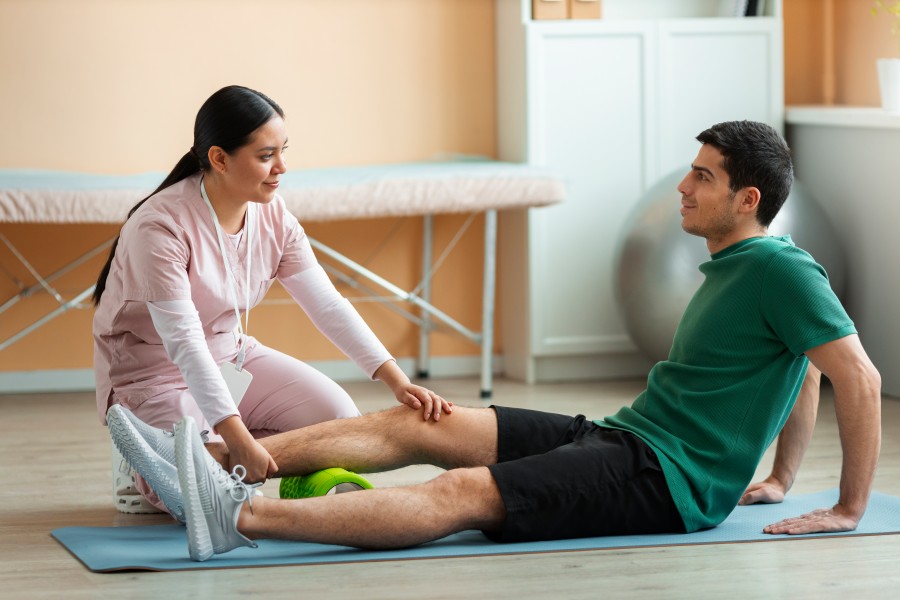
Physical therapy plays a vital role in recovery by improving flexibility, strength, balance, and mobility. Therapists develop customized rehabilitation programs based on the athlete’s specific injury and goals.
3. Pain Management
Depending on the severity of the injury, treatment may include anti-inflammatory medications, pain relievers, or other therapies designed to improve comfort during recovery.
4. Sports Rehabilitation
Sports rehabilitation focuses on restoring athletic performance through targeted exercises, functional training, and injury prevention strategies.
5. Surgical Intervention
Some severe injuries, such as complete ligament tears or complex fractures, may require surgical repair followed by structured rehabilitation.
Importance of Rehabilitation
Recovery does not end when pain disappears. Proper rehabilitation helps restore strength, flexibility, endurance, and coordination. Returning to sports too early can increase the risk of reinjury and prolong recovery.
Athletes should follow their healthcare provider’s recommendations and complete their rehabilitation program before resuming full participation.
Preventing Future Sports Injuries
Prevention is a critical component of long-term athletic success. Consider these injury prevention strategies:
1. Warm Up Properly
A thorough warm-up prepares muscles and joints for physical activity, reducing injury risk.
2. Use Proper Technique
Learning correct sports techniques helps minimize stress on muscles, tendons, and joints.
3. Wear Appropriate Equipment
Protective gear, supportive footwear, and sport-specific equipment provide additional safety during training and competition.
4. Stay Hydrated
Proper hydration supports muscle function and reduces fatigue-related injuries.
5. Strength and Conditioning
Regular strength training improves stability, balance, and overall athletic performance while decreasing injury risk.
6. Listen to Your Body
Pain and excessive fatigue should never be ignored. Taking adequate rest days allows the body to recover and adapt to training demands.
Benefits of Early Sports Injury Treatment
Prompt treatment offers several advantages:
- Faster healing and recovery
- Reduced pain and inflammation
- Lower risk of chronic complications
- Improved athletic performance
- Prevention of reinjury
- Safe return to sports participation
Early intervention often leads to better outcomes and shorter recovery times.
Conclusion
Sports injuries are a common part of athletic participation, but they do not have to sideline athletes permanently. Effective sports injury treatment combines prompt diagnosis, appropriate medical care, rehabilitation, and preventive strategies to support a safe and successful recovery. Whether dealing with a minor sprain or a more serious injury, seeking professional care and following a structured recovery plan can help athletes return to the activities they love with confidence and strength.
FAQs
1. What is the most common sports injury?
Ankle sprains are among the most common sports injuries, especially in activities involving running, jumping, and rapid direction changes.
2. How long does sports injury recovery take?
Recovery time varies depending on the injury type and severity. Minor injuries may heal within a few weeks, while serious injuries can require several months of rehabilitation.
3. When should I see a doctor for a sports injury?
Seek medical attention if you experience severe pain, significant swelling, inability to move the affected area, or symptoms that do not improve with rest.
4. Can physical therapy help sports injuries?
Yes. Physical therapy helps restore strength, flexibility, balance, and function while reducing the risk of reinjury.
5. How can sports injuries be prevented?
Proper warm-ups, conditioning, hydration, protective equipment, and correct technique can significantly reduce injury risk.
6. Is surgery always required for sports injuries?
No. Many sports injuries respond well to conservative treatments such as rest, rehabilitation, and physical therapy. Surgery is generally reserved for severe cases.
Recover Stronger and Get Back in the Game!
Don’t let a sports injury keep you on the sidelines. Our experienced medical team provides comprehensive sports injury treatment, rehabilitation, and recovery solutions tailored to your needs.
✅ Same-Day Evaluations
✅ Personalized Treatment Plans
✅ Sports Rehabilitation Programs
✅ Fast and Effective Recovery Support
Schedule your appointment today and start your journey toward a stronger recovery!
🏃 Expert Sports Injury Treatment for Athletes of All Ages
⚕️ Fast Diagnosis, Effective Treatment, and Personalized Recovery Plans
💪 Helping Athletes Return to Peak Performance Safely
📍 Visit Us https://sccodessa.com/services/primary-care/ Today for Comprehensive Sports Injury Care
📞 Contact Us at +1 (432) 322-8675 Now to Schedule Your Sports Injury Evaluation
🌐 Book Your Appointment and Start Your Recovery Journey Today!